| 10 People Are Viewing This Product Right Now |
Your Complete Guide to Generac Generators: Power, Lifespan, and Peace of Mind
Imagine it’s the middle of the night, a severe ice storm has been raging for hours, and suddenly, the familiar hum of your home falls silent. The power is out. In that moment, your biggest worry shouldn’t be the food spoiling in your fridge or the creeping cold—it should be having a reliable plan.
Generac Portable Generators – For millions of homeowners, that plan is a backup generator, and Generac is a name that often leads the conversation. But are they truly good? How long will they last, and what’s the real cost of peace of mind? In this comprehensive guide, we’ll cut through the noise, answer all your burning questions, and help you decide if a Generac generator is the right lifeline for your home.
The Ice Storm Imperative: Do You Really Need a Generator?
Let’s tackle the urgent question first. Is a generator necessary for an ice storm? The short answer is that it can be one of the most critical investments for your safety and comfort. Ice storms are uniquely destructive, coating power lines and trees in heavy, crippling ice that leads to widespread and often prolonged outages.
A generator does more than just keep the lights on; it powers your furnace to prevent frozen pipes, runs your refrigerator to save hundreds in groceries, and keeps medical devices operational. In a severe winter event, it transforms your home from a vulnerable shelter into a secure, functioning haven.


Generac 101: Unpacking the Brand’s Reputation
Generac is one of the most recognized generator brands in North America, especially for residential backup power.
1. A Quick Look at Generac
- Founded in 1959
- Based in Wisconsin, USA
- Specializes in portable, inverter, and whole-house standby generators
- Widely sold at Amazon, Home Depot, Lowe’s, Costco, and through licensed installers
Generac didn’t become popular by accident. They focused early on automatic standby generators, making them almost a household name. Think of Generac as the Toyota of generators—not always flashy, but familiar, widely supported, and built for everyday reliability.
Generac has built its reputation primarily on its powerhouse home standby units, but its portable lineup holds its own, especially in the mid-range market. Their portable generators are known for reliable power output and increasingly popular features like dual-fuel capability (running on gasoline or propane) and inverter technology.
For example, the Generac iQ3800 is praised for its clean power output—crucial for sensitive electronics like laptops and flat-screen TVs—and its relatively quiet, user-friendly operation. While they may not always top “best-of” lists for ultra-lightweight camping units, Generac portables are solid, dependable workhorses ideal for home backup and job site use.
2. The Heart of the Matter: What Company Makes the Best?
Searching for the single “best” company is a bit like asking for the best car—it depends entirely on your needs and budget. Generac is the undisputed leader in the home standby generator market, known for a vast dealer network and automatic whole-house power.
For portable generators, brands like Honda and Champion are frequently lauded for legendary reliability and value, respectively. The “best” for you depends on your primary use case: whole-house automatic backup, portable power for essentials, or quiet, clean power for recreation.

3. What Makes Generac Portable Generators Good?
- Solid Engine Performance
Generac engines are designed for:- Consistent output
- Easy cold starts
- Reasonable fuel efficiency
They’re not racing engines—but they don’t need to be. - Easy Availability of Parts
This matters more than people realize.- Replacement parts are easy to find
- Many small-engine repair shops work on Generac
- Warranty service is widely available
- Wide Product Range
Generac offers:- Small inverter generators (quiet & fuel-efficient)
- Mid-size portable generators (7,500–10,000 watts)
- Heavy-duty standby units (whole-house systems)
Built to Last: Demystifying Generac Generator Lifespan
One of the biggest questions on any buyer’s mind is longevity. How long can you expect your investment to last?
1. The Average Lifespan: Standby vs. Portable
Generac generators come with different life expectancies based on their type:
- Home Standby Generators: These are the marathon runners. With professional installation and proper maintenance, a Generac standby generator can reliably serve your home for 20 to 30 years, or about 3,000 hours of runtime. Their robust construction and the fact that they run on clean-burning natural gas or propane contribute to this impressive longevity.
- Portable Generators: Think of these as sprinters. They have a simpler design and often run on gasoline, which can leave more residue. Consequently, their lifespan is shorter, typically in the range of 10 to 15 years with diligent care.
| Factor | Positive Impact (Longer Life) | Negative Impact (Shorter Life) |
|---|---|---|
| Maintenance | Regular oil changes, filter replacements, and professional annual service. | Neglecting scheduled maintenance, running with old oil. |
| Usage Pattern | Occasional use for typical outages (a few days a year). | Frequent, extended runtime at or near full capacity. |
| Fuel Type | Clean-burning natural gas or propane for standby units. | Gasoline, which can degrade and leave varnish in portable units. |
| Environment | Installed on a level, well-drained pad with some protection. | Exposure to salt air, excessive dust, or flooding. |
Average Lifespan
- Portable Generac generators:
👉 10–15 years or 2,000–3,000 hours - Whole-house Generac generators:
👉 20–30 years with proper maintenance
That’s like comparing a lawn mower to a car—maintenance makes all the difference.
2. What Is the Average Lifespan of a Generac Generator?
| Generator Type | Average Lifespan |
|---|---|
| Portable Generator | 10–15 years |
| Inverter Generator | 8–12 years |
| Whole House Generator | 20–30 years |
Oil changes, clean fuel, and regular exercise cycles extend lifespan dramatically.
3. The 45-Second Mystery: Why the Wait for Power?
If you’ve researched standby generators, you’ve heard the “45-second” rule. This isn’t a delay for no reason—it’s a critical safety feature. When a power outage occurs, the generator’s controller waits a brief period (often around 10-15 seconds, though sometimes up to 45) to ensure the outage is persistent and not just a momentary grid flicker.
It then initiates a system check and starts the engine. The transfer switch safely disconnects your home from the grid (to prevent back-feeding electricity, which is dangerous to utility workers) before connecting to the generator. This entire, deliberate process ensures everything operates safely and seamlessly.

Ice storms, blackouts, and grid failures don’t give warnings. A Generac generator gives you heat, light, and peace of mind when it matters most.
👉 Check Today’s Best Generac Deals on Amazon
Why the Delay Exists?
- Allows utility power to fully fail
- Prevents false starts
- Protects sensitive electronics
- Allows engine warm-up
Those 45 seconds are like letting your car idle before driving in winter—it protects the system.
Best Generac Portable Generators
1. Top Generac Portable Generators for Home & Emergency Use
| Model | Power Output | Fuel Type | Best For | Noise Level | Why It’s Good | Buy Now |
|---|---|---|---|---|---|---|
| Generac GP3300i | 3,300W | Gasoline | Camping, RVs, and light home backup | Very Quiet | Lightweight, inverter tech, clean power for electronics | 🔥 Check Price on Amazon |
| Generac GP6500 | 6,500W | Gasoline | Emergency home backup | Moderate | Strong power, affordable, reliable engine | 🔥 Check Price on Amazon |
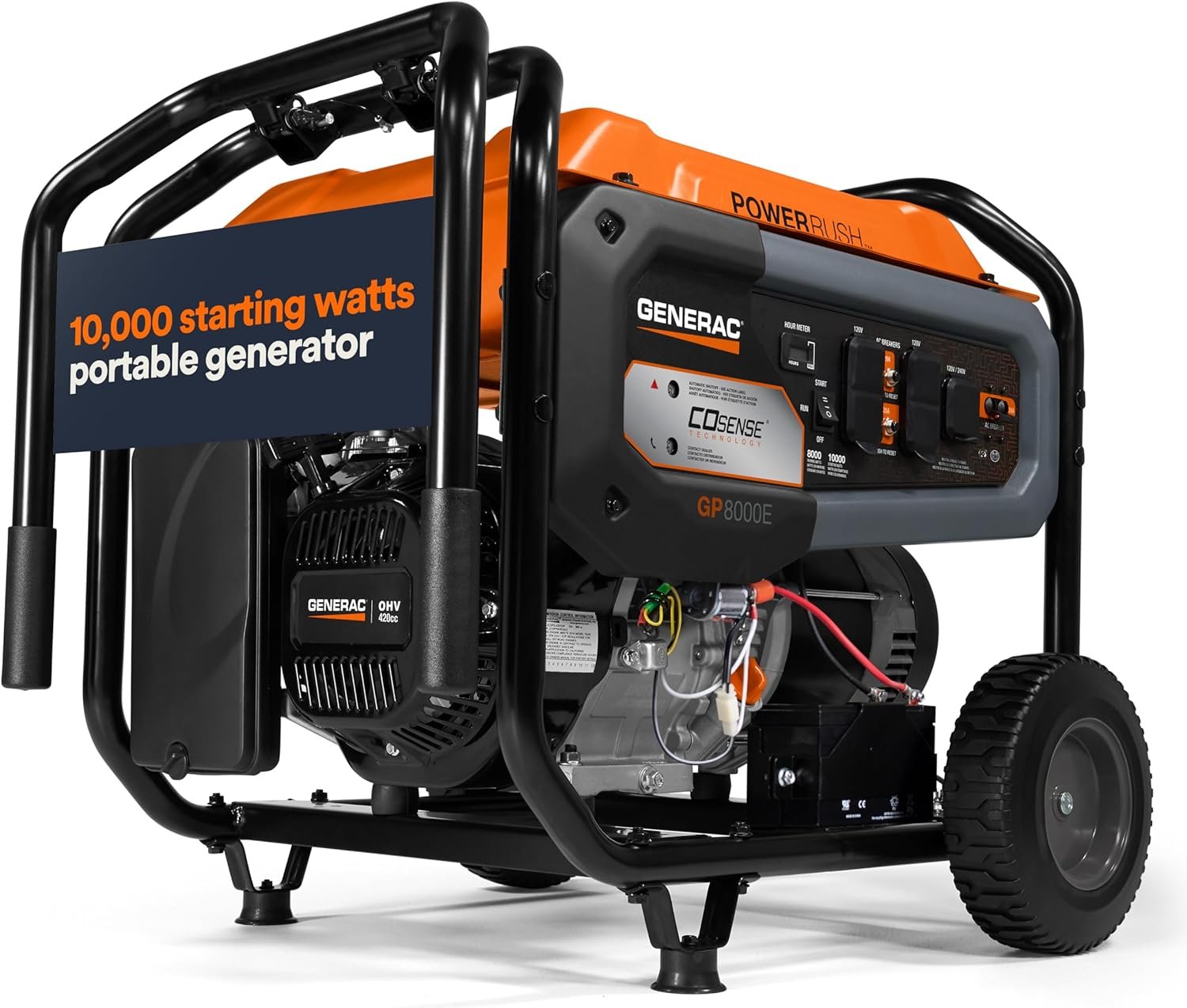
| Generac GP8000E | 8,000W | Gasoline | Large appliances, sump pumps | Loud | Electric start, high surge capacity | 🔥 Check Price on Amazon |
| Generac XT8000EFI | 8,000W | Gasoline (EFI) | Frequent outages | Moderate | Fuel-efficient EFI, longer runtime | 🔥 Check Price on Amazon |
| Generac iQ3500 | 3,500W | Gasoline | RV & electronics | Ultra Quiet | Parallel ready, CO-sense safety | 🔥 Check Price on Amazon |
💡 Buyer Tip:
If you want quiet power for electronics, go inverter (GP3300i or iQ3500).
If you want raw emergency power, GP6500 or GP8000E is the sweet spot.
2. Generac vs Competitors
| Brand | Reliability | Noise Level | Price Range | Best Use Case | Verdict |
|---|---|---|---|---|---|
| Generac | ⭐⭐⭐⭐☆ | Medium | $$–$$$ | Home backup & standby | Best overall balance |
| Honda | ⭐⭐⭐⭐⭐ | Very Quiet | $$$$ | Premium & long-term use | Best quality, pricey |
| Champion | ⭐⭐⭐⭐ | Medium | $–$$ | Budget buyers | Best value |
| Westinghouse | ⭐⭐⭐⭐ | Medium-Loud | $$ | High wattage needs | Power for the price |
| Duromax | ⭐⭐⭐☆ | Loud | $$ | Job sites | Rugged, affordable |
🏆 Winner for Homeowners: Generac
🏆 Winner for Quiet Operation: Honda
🏆 Winner for Budget: Champion
3. Best Generac Generators by Budget
| Budget | Recommended Model | Why It Works | Ideal User | Buy Now |
|---|---|---|---|---|
| Under $1,000 | Generac GP6500 | Affordable, dependable | Emergency-only users | 🛒 View on Amazon |
| $1,000–$2,000 | Generac GP8000E | More power, electric start | Family homes | 🛒 View on Amazon |
| $2,000+ | Generac XT8000EFI | EFI fuel savings, long runtime | Frequent outages | 🛒 View on Amazon |
| Premium | Generac iQ3500 | Ultra-quiet, inverter tech | RV & electronics | 🛒 View on Amazon |
4. Portable vs Whole House Generac Generators
| Feature | Portable Generator | Whole House Generator |
|---|---|---|
| Power Coverage | Essentials only | Entire home |
| Installation | DIY | Professional |
| Fuel | Gasoline | Natural Gas / Propane |
| Runtime | Manual refueling | Automatic |
| Cost | $700–$2,500 | $7,000–$15,000 |
| Best For | Short outages | Long outages & ice storms |
Ice storms, blackouts, and grid failures don’t give warnings. A Generac generator gives you heat, light, and peace of mind when it matters most.
👉 Check Today’s Best Generac Deals on Amazon
The Investment Breakdown: Cost, Value, and Insurance
1. How Much Does Installation Really Cost?
The sticker price of the generator unit is just the beginning for a whole-house system. You must budget for professional installation, which can be complex, involving electrical work, pouring a concrete pad, and connecting to your natural gas line or propane tank.
- Generator Unit: Typically $2,000 to $7,000 for the unit itself, depending on power output (measured in watts).
- Professional Installation: This often matches or even exceeds the cost of the unit, potentially adding another $3,000 to $10,000+ to the total project. A proper in-home consultation with a certified dealer is essential for an accurate quote.
2. Will It Lower My Homeowners Insurance?
This is a common hope, but don’t count on a direct discount. While most insurers acknowledge that a standby generator can reduce the risk of catastrophic claims (like frozen pipe bursts), they rarely offer a specific premium reduction. However, it can be a significant selling point that adds to your home’s overall value and desirability, much like a renovated kitchen. Always check with your specific insurance agent for their policy.
The Flip Side: Understanding Generac’s Disadvantages and Controversies
No product is perfect, and it’s wise to go in with clear eyes.
1. Common Problems and Disadvantages
Some frequently reported points of consideration include:
- High Initial Cost: The upfront investment for a whole-house system is substantial.
- Ongoing Maintenance Costs: Annual professional service is highly recommended to keep the warranty valid and ensure reliability, adding a recurring cost.
- Noise: While quieter than many portable models, standby generators are not silent when running. Local ordinances often have decibel restrictions.
- Aesthetic Impact: A large, box-shaped unit will be permanently installed near your home.
- The Most Common Problem: Often, issues stem from a lack of maintenance. A failure to change oil, replace old batteries, or run monthly self-tests are prime culprit for startup failures when they’re needed most.
2. What is the Controversy?
The main “controversy” surrounding Generac isn’t about a defective product but rather centers on installation quality and dealer service. As the market leader, the variance in installer expertise can be wide. A poorly sized or incorrectly installed generator can lead to performance issues, which sometimes reflect poorly on the brand itself. This underscores the critical importance of choosing a highly reputable, certified installer.
3. What Are the Pros and Cons of a Generac Generator?
| Pros | Cons |
|---|---|
| Trusted brand | Not the quietest |
| Wide dealer network | Standby systems are expensive |
| Strong resale value | Needs consistent maintenance |
| Easy parts availability | |
| Reliable power output |

Ice storms, blackouts, and grid failures don’t give warnings. A Generac generator gives you heat, light, and peace of mind when it matters most.
👉 Check Today’s Best Generac Deals on Amazon
Safety and Legality: Non-Negotiable Rules for Operation
1. Is It Illegal to Run a Generator All Night?
There is generally no state or federal law that prohibits running a generator overnight. However, local noise ordinances in many municipalities do prohibit operating loud equipment during “quiet hours,” typically at night. The much more critical issue is safety. Running a generator improperly overnight can be deadly.
2. The Golden Rules of Generator Safety
The U.S. Consumer Product Safety Commission (CPSC) reports that from 2012 to 2022, about 750 people died from carbon monoxide (CO) poisoning linked to generators. Adhering to these rules is paramount:
- OUTSIDE ONLY, FAR AWAY: Always run a portable generator outdoors, at least 20 feet away from your home, with the exhaust directed away from any windows, doors, or vents.
- NEVER INDOORS: Never operate a generator in a home, garage, basement, crawlspace, or any enclosed or partially enclosed area, even with ventilation.
- Use CO Detectors: Install battery-operated or battery-backup carbon monoxide alarms on every level of your home and outside sleeping areas. Test them monthly.
- Safe Refueling: Always turn the generator off and let it cool completely before refueling. Gasoline spilled on hot engine parts can ignite.
Conclusion: Is a Generac Generator Right for You?
So, are Generac generators any good? For whole-house backup power, they are a top-tier, reliable choice with an industry-leading reputation and proven longevity. Their portable models offer solid performance for essential power needs. The decision ultimately boils down to your budget, your need for convenience, and your tolerance for risk during an outage.
If you own a single-family home in an area prone to severe weather and value seamless, automatic protection, a Generac standby generator is a compelling long-term investment. If you’re on a tighter budget and are willing to manage a portable unit for critical circuits, a Generac portable or a competitor’s model could be your solution.
Whichever path you choose, prioritize professional installation, commit to rigorous maintenance, and above all, follow every safety protocol. The true value of a generator isn’t just in the power it provides, but in the profound peace of mind that comes with being prepared.
FAQs
- What is the single most important thing I can do to make my Generac generator last?
Commit to strict, regular maintenance. This includes a brief monthly exercise cycle, changing the oil every 100-150 hours of use or annually, and scheduling a professional service visit once a year. Neglect is the biggest killer of generators. - Can I install a Generac home standby generator myself to save money?
No, it is strongly discouraged and likely voids the warranty. Installation involves complex electrical connections to your home’s circuit panel and safe fuel line integration (natural gas or propane). Improper installation is dangerous and can lead to fire, electrocution, or generator failure. Always use a Generac-certified installer. - How do I choose the right size generator for my home?
Don’t guess! A dealer will perform a detailed load calculation. As a rough guide, a typical 3-4 bedroom home often requires a 22kW to 24kW standby unit to power major systems (HVAC, refrigerator, lights, well pump). For portable generators, add up the starting watts of the specific appliances you need to run (e.g., fridge + furnace fan + a few lights). - Are newer Generac models with “CO Guard” technology safe to use on a patio?
No. While built-in carbon monoxide (CO) shutoff sensors are a vital safety advancement that can save lives, they are a last line of defense. You must still always operate a portable generator outside and at least 20 feet from your home. The safety feature is meant to protect you if the generator is accidentally placed too close or if wind direction changes, not to allow for closer placement. - My power rarely goes out for more than an hour. Is a generator still worth it?
It depends on your risk tolerance. If even a one-hour outage disrupts critical work, medical equipment, or sump pumps, a portable unit could be worthwhile. For most, the value of a whole-house generator increases with the frequency and duration of your outages. Consider your historical outage patterns and the potential damage (like basement flooding) that can occur in just a few hours. - Are Generac portable generators reliable for long outages?
Yes, when properly maintained, they can run for days with regular refueling and oil checks. - Can a Generac generator power an entire house?
Only standby models can power an entire home. Portable units can power essentials. - Are Generac generators loud?
They’re louder than inverter generators but quieter than many budget models. - Do Generac generators require professional installation?
Portable units do not. Standby generators absolutely do. - Is Generac better than Honda generators?
Honda is quieter and more premium. Generac offers better value and service access.
| Power Station For Camping Near You | |
|---|---|
 |  |
| Check Amazon Discount | Check Walmart Discount |
You Might Also Like: