


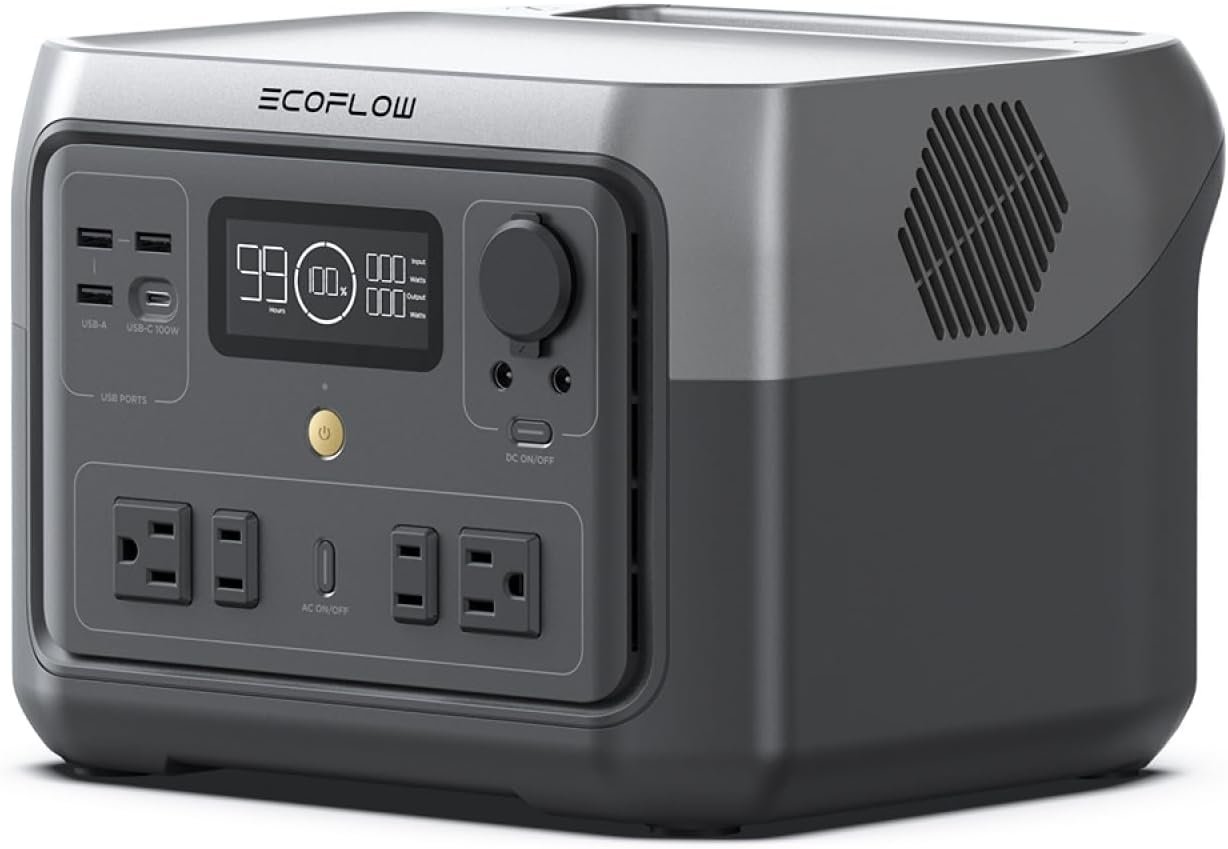
|
10 People Are Viewing This Product Right Now |
Portable Power Stations for Camping: Your Ultimate Off-Grid Power Guide
Are portable power stations worth it for camping? Learn the pros, cons, ideal sizes, runtimes, and real examples to choose the best power solution for your next trip.
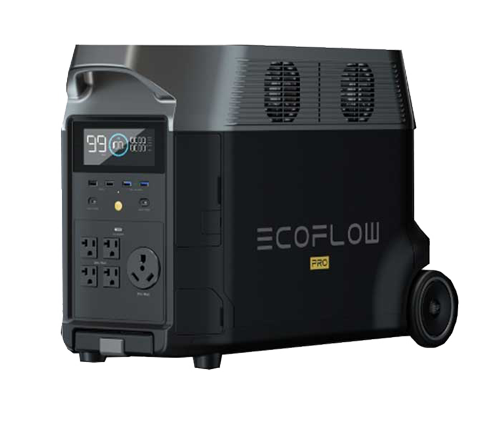
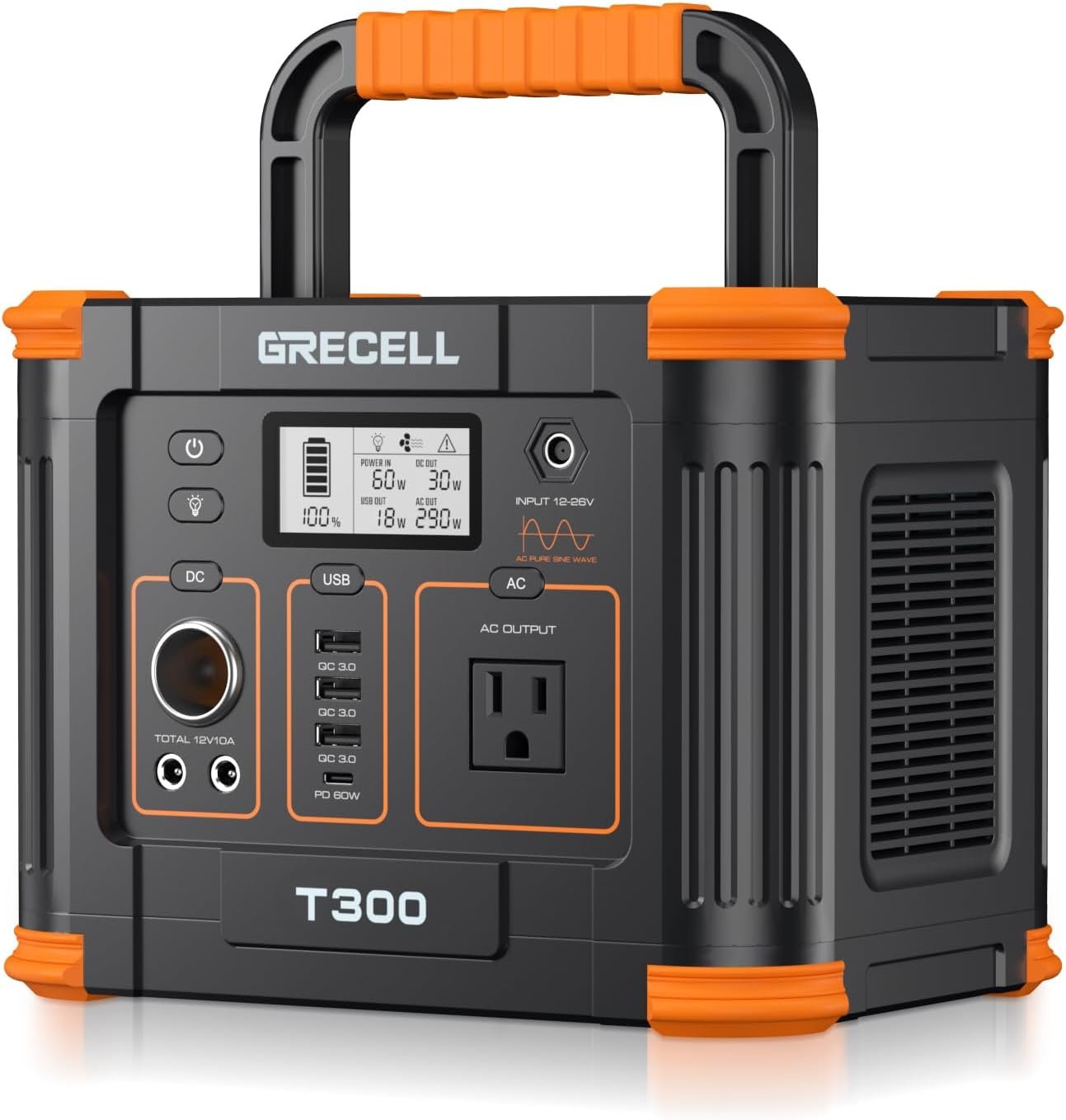
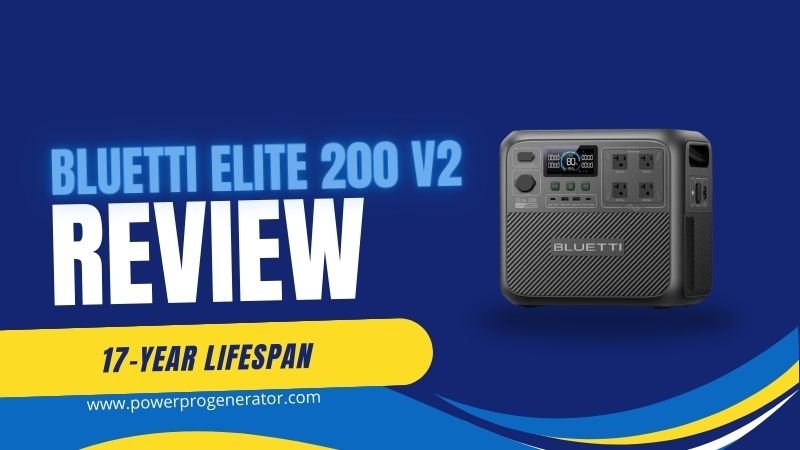
Best Portable Power Station For Camping 2026 – Camping is supposed to be about freedom—fresh air, quiet nights, and getting away from the noise of everyday life. But let’s be honest: modern camping still involves phones, lights, coolers, cameras, and sometimes even a TV. That’s where portable power stations step in.
Are portable power stations worth it for camping? Or are they just another expensive gadget collecting dust in your garage?
Let’s break it all down—pros, cons, sizes, runtimes, real examples, and how to choose the right power solution without overspending.
In an era where even our escapes into nature are accompanied by smartphones, cameras, and the occasional mini-fridge, a reliable power source has become as essential as a good tent. But are portable power stations truly worth their weight and price for camping? The short answer is a resounding yes—if you choose wisely.
This guide will cut through the noise, helping you understand not just the shiny benefits but the real-world trade-offs, so you can find your perfect power partner for the great outdoors.
What Is a Portable Power Station?
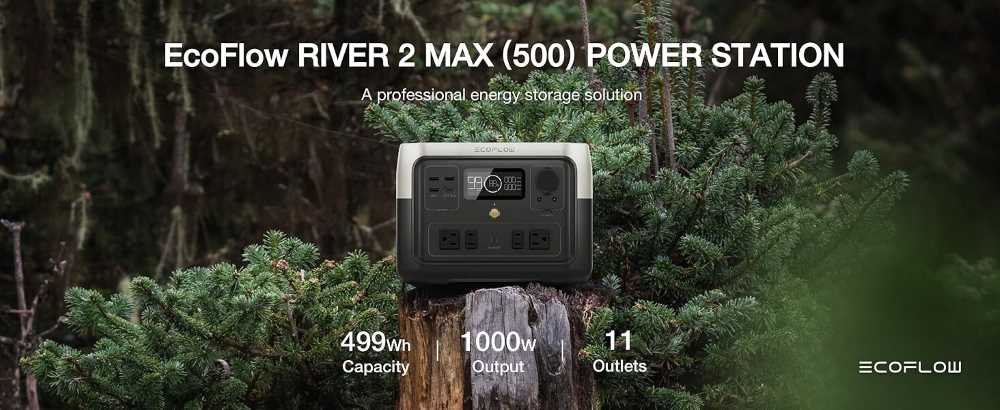
A portable power station is essentially a large rechargeable battery packed with:
- AC outlets (like a wall socket)
- USB ports
- DC outputs
- Built-in inverter
- Recharge options (wall, car, solar)
Think of it as a silent, clean generator—but without fuel, fumes, or noise.
Key Takeaways
- Portable power stations offer quiet, clean, and versatile off-grid power for devices ranging from phones to portable fridges, significantly enhancing camping comfort and convenience.
- Key disadvantages include limited high-power capacity, long recharge times, and a high initial investment, making them less suitable for running heavy appliances like air conditioners or for indefinite off-grid use without a recharging plan.
- Sizing your power station correctly is critical; calculate your total daily watt-hour needs by listing all devices and their usage, then choose a station with a capacity (in Wh) that exceeds this number, factoring in efficiency losses.
The Great Outdoors, Plugged In: Why Consider a Power Station?
Gone are the days of complete digital detox. Today, camping power isn’t just about convenience; for many, it’s about safety, communication, and preserving perishables. A portable power station acts as a silent, fume-free generator that sits in your campsite, ready to juice up your gear without the roar and smell of gasoline.
Imagine being able to run LED string lights for ambiance, keep your 12V camping fridge chilling dinner, and ensure your phone and GPS are always charged for photos and navigation. For those requiring CPAP machines, it’s a game-changer for restful sleep off-grid. Unlike a tangle of small power banks, a single station consolidates power for all your AC, DC, and USB devices into one organized hub.
Are Portable Power Stations Good for Camping?
Why Campers Love Them
Portable power stations are especially good for camping because they’re:
- 🔇 Silent
- 🌱 Eco-friendly
- 🔌 Plug-and-play
- 🏕️ Safe for tents and RVs
- ☀️ Solar-chargeable
If gas generators are loud motorcycles, power stations are electric bikes—quiet, efficient, and modern.


The Flip Side: Understanding the Drawbacks
Before you invest, it’s crucial to look past the marketing. Portable Power Station For Camping are incredible tools, but they are not magical, infinite power boxes. Knowing the limitations will ensure you have the right expectations.
- Capacity and Power Constraints: These aren’t replacements for home generators. Most portable stations cannot run high-power appliances like full-sized refrigerators, air conditioners, or heavy-duty power tools for extended periods. They excel at low-to-moderate power tasks.
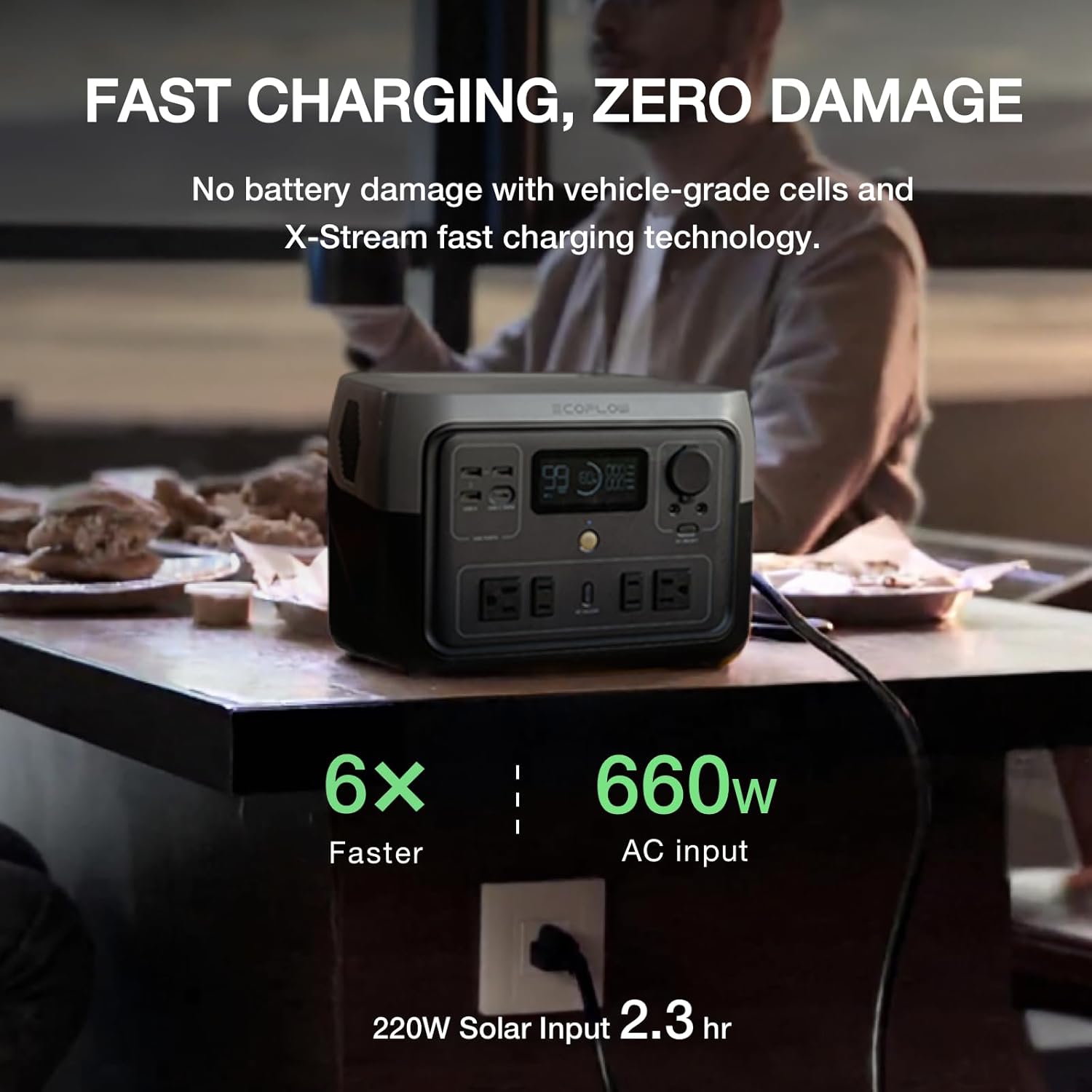
- The Long Road to Recharge: While gas generators refuel in minutes, a depleted power station can take 5 to 12 hours to recharge from a wall outlet. Solar charging is sustainable, but is a weather-dependent gamble. Cloudy days or shady campsites can dramatically slow your recharge to a crawl.
- The Hefty Price of Admission: Quality doesn’t come cheap. The initial cost is significant, especially for higher-capacity models. Furthermore, the lithium-ion battery inside will degrade over the years and hundreds of charge cycles. Unlike swapping a propane tank, replacing the internal battery can be complex and costly.
- “Portable” is a Relative Term: While lighter and quieter than generators, a unit with a substantial capacity (e.g., 1000Wh+) can weigh 20 to 40 pounds or more. You need to consider if you’re willing to lug that from your car to the campsite.
Think of a portable power station like a high-performance water bottle. It holds a valuable, finite resource. It’s incredibly useful for a long hike, but it won’t replace a lake, and you need a plan to refill it.
Here’s where power stations fall short:
- Limited Capacity: Once the battery is empty, it’s empty—unless you have solar panels or a vehicle to recharge it.
- Higher Upfront Cost: Good power stations aren’t cheap. You’re paying for lithium batteries, inverters, and safety tech.
- Heavy at Larger Sizes: A 1000Wh+ power station can weigh as much as a cooler full of ice.
- Not Ideal for High-Power Tools: You won’t be running a microwave or air conditioner all day without a very large unit.
Cracking the Code: What Size Power Station Do You Actually Need?
This is the million-dollar question (or, more accurately, the several-hundred-dollar question). Choosing the wrong size is the most common mistake. Too small, and you’re out of power by dusk. Too large, and you’ve wasted money and are hauling around a boat anchor.
The golden rule is to think in Watt-hours (Wh), the true measure of energy storage. It’s your power “fuel tank.” Here’s how to calculate your needs:
- List Your Devices: What will you plug in? (e.g., LED lights, phone, laptop, portable fridge, camera, drone charger).
- Find Their Wattage: Check the label on the device or its power adapter (e.g., Laptop charger: 65W).
- Estimate Daily Use: How many hours will each run per day? (e.g., Laptop: 3 hours).
- Do the Math: Device Wattage x Hours Used = Daily Watt-hour (Wh) need for that device.
- Laptop: 65W x 3 hours = 195Wh.
- Add It All Up: Sum the Wh for all devices. This is your total daily energy consumption.
- Add a Buffer: Account for inverter efficiency losses (about 10%) and a little extra for surprise usage. Multiply your total by 1.2.
Example: A Moderate Digital Camper’s Daily Budget
| Appliance | Power (Watts) | Hours Used | Daily Energy (Wh) |
|---|---|---|---|
| LED Camp Lights | 10W | 5 | 50Wh |
| Phone Charging | 10W | 2 | 20Wh |
| 12V Fridge | 50W | 8 (cycles on/off) | 400Wh |
| Camera Batteries | 15W | 2 | 30Wh |
| Laptop | 65W | 3 | 195Wh |
| Total Daily Need | ~695Wh |
With a buffer, this camper needs a power station with at least 835Wh of capacity (695Wh x 1.2) to last one full day without recharging.
1. What Size Power Station Do You Need for Camping?
It Depends on What You Power. Here’s a simple breakdown:
| Camping Style | Recommended Size |
|---|---|
| Phone-only minimalist | 150–300Wh |
| Weekend camper | 300–600Wh |
| Family camping | 700–1000Wh |
| Van life / RV | 1000–2000Wh |
2. What Size Power Station Is Best for Camping?
The Sweet Spot: 500–1000Wh. For most campers, 500–1000Wh is the perfect balance of:
- Weight
- Runtime
- Price
- Flexibility
It’s like choosing a mid-size SUV—capable without being overkill.
Power Station vs. Power Bank: Choosing Your Camping Ally
This is a classic case of different tools for different jobs.
- Power Banks (10,000mAh – 20,000mAh): These are your personal device saviors. Perfect for keeping phones, headlamps, and GPS units charged over a weekend. A 20,000mAh bank is typically under 100Wh (yes, it’s less than 100Wh, which is why you can fly with it) and can recharge a smartphone 4-6 times. It’s lightweight, pocketable, and simple.
- Portable Power Stations (300Wh and up): These are campsite power hubs. They run items with plugs (AC) and car sockets (DC), like fridges, CPAP machines, projectors, or electric griddles. The Jackery Explorer 300 (293Wh) is a popular entry-point model, great for this.
The Verdict: If your needs stop at USB devices, a large power bank is sufficient and more portable. If you dream of cooling, cooking, or powering anything beyond a USB cable, you’ve graduated to a portable power station.
The 3-3-3 Rule and Your Power Plan
A wise camping adage, the 3-3-3 Rule, advises: Plan for 3 hours of daylight to set up camp, 3 minutes to prepare for a sudden weather change, and 3 seconds to react to danger. How does this relate to power? It’s about preparedness and redundancy.
Some think:
- 3 hours without shelter
- 3 days without water
- 3 weeks without food
Power isn’t part of the rule—but in modern camping, electricity helps you protect all three:
- Charging GPS
- Running water pumps
- Powering emergency lighting
Your power plan should follow this resilient mindset. Your primary station is your main setup. Your solar panel is your plan for changing “weather” (recharging off-grid). And a small, backup power bank in your go-bag is your 3-second safety net—a guaranteed way to charge your phone for light or emergency communication if your main system fails.
Finding “The One”: A Buying Guide for Campers
Armed with knowledge, here’s how to narrow your search:
- Match Capacity to Your Calculated Needs: Use your daily Wh calculation. For weekend trips, a 500-1000Wh station is often perfect. For longer stays or powering fridges, look at 1000Wh+.
- Prioritize Portability (Weight): If you hike to your site, every pound counts. Models like the Anker Solix C1000 (under 29 lbs) offer a great balance. For car camping, you can opt for heavier, higher-capacity units.
- Demand Multiple Charging Options: Solar compatibility is non-negotiable for true off-grid freedom. Also, ensure it charges from AC (wall outlet) and ideally a car outlet (12V) for flexibility.
- Check the Port Variety: You need enough outlets for your gear—a mix of AC, USB-A, USB-C, and a 12V car port.
- Consider Charge Speed: Some newer models feature fast charging, refueling in 1-2 hours instead of 8+. This is a huge convenience if you can pop into a cafe with an outlet.
- Listen for Silence: If peace is paramount, check reviews for fan noise. Some units have quiet, efficient cooling systems.
Best portable power station for camping
1. 300wh – 500Wh
EcoFlow and Jackery lead the camping power station market, with Anker offering strong alternatives. The ideal capacity range is 300-500Wh for weekend camping, providing sufficient power for essential devices while maintaining portability.
| Gambar | Product Name | Price Range | Details |
|---|---|---|---|
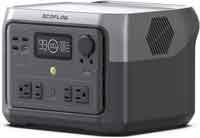 |
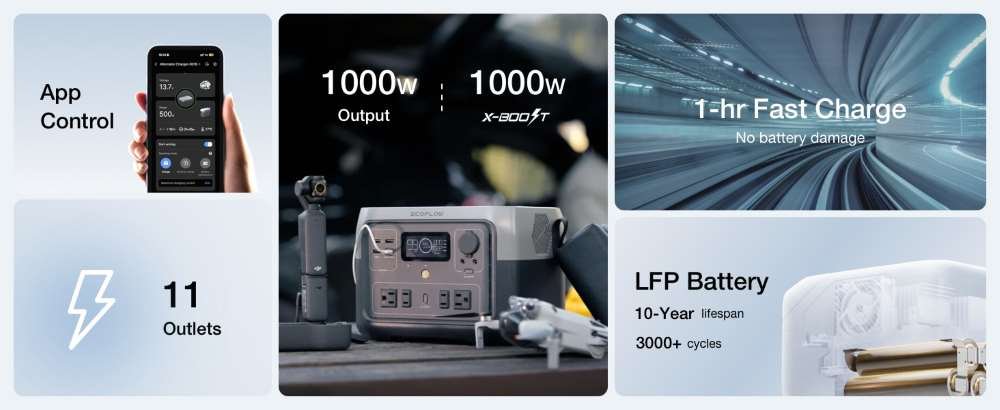
ECOFLOW Portable Power Station River 2 Max 500Wh | $263.00 – $449.00 | View Details |
 |
ECOFLOW Portable Power Station RIVER 2, 256Wh | $179.00 – $239.00 | View Details |
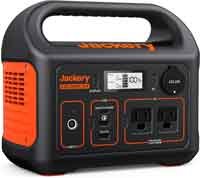 |
Jackery Portable Power Station Explorer 300, 293Wh | $178.99 – $259.00 | View Details |
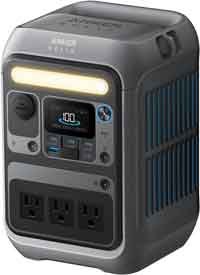 |
Anker Portable Power Station SOLIX C300, 288Wh | $214.94 – $299.00 | View Details |
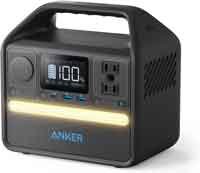 |
Anker 521 Portable Power Station 256Wh | $149.99 – $199.99 | View Details |
2. 500wh – 1000Wh
| Gambar | Product Name | Price Range | Details |
|---|---|---|---|
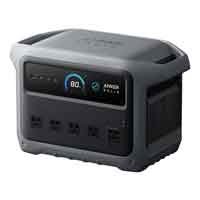 |
Anker SOLIX C1000 Gen 2 Portable Power Station, 1,024Wh | $469.99 – $799.00 | View Details |
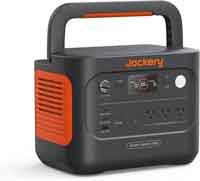 |
Jackery Explorer 1000 v2 Portable Power Station, 1070Wh | $398.99 – $799.00 | View Details |
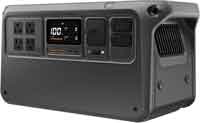 |
DJI Power 1000 V2 Portable Power Station, 1024Wh | $699.99 – $799.00 | View Details |
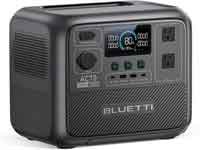 |
BLUETTI AC70 Portable Power Station, 768Wh | $329.00 – $599.00 | View Details |
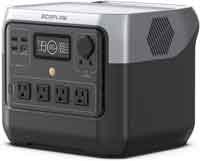 |
ECOFLOW Portable Power Station RIVER 2 Pro, 768Wh | $339.00 – $529.00 | View Details |
Conclusion: Is the Investment Illuminated?
Portable Power Station For Camping – So, are portable power stations worth it for camping? For most modern campers seeking comfort, convenience, and a touch of civilization under the stars, the answer is a qualified yes. They are a transformative tool that opens up new possibilities for off-grid living. However, they are an investment with clear boundaries. They are not infinite power sources; they require planning to recharge, and their “portability” has limits.
The key is to be a savvy buyer. Start with an honest audit of your power needs. Resist the urge to overbuy the biggest unit, or underbuy a cheap one that will disappoint. See it as buying a key piece of gear, like a premium sleeping bag or tent—it enhances your experience for years of adventures to come. Choose wisely, and you won’t just be camping; you’ll be camping with power.
Answer The Question
1. What Is the Best Power Bank to Take Camping?
Power Bank vs Power Station
A power bank is best for:
- Phones
- Headlamps
- GPS
- Emergency backup
A power station is better for:
- TVs
- Coolers
- Lights
- CPAP machines
2. How to Choose a Power Bank for Camping?
Look for:
- 20,000mAh or higher
- Fast charging (PD)
- Durable casing
- Pass-through charging
- Low-temperature performance
3. How Long Will a 20,000mAh Power Bank Last?
Typical usage:
- Smartphone: 4–5 charges
- Headlamp: 6–8 recharges
- GPS: 2–3 recharges
- Expect 2–3 days of light use.
FAQs About Portable Power Station For Camping
- Can a Portable Power Station For Camping run a coffee maker or an electric camping stove?
It depends heavily on the wattage. A standard 1200W coffee maker would drain a 500Wh station in under 30 minutes and requires the station’s inverter to handle that load. Most smaller stations cannot run high-wattage heating elements efficiently. Low-wattage immersion heaters or a dedicated 12V kettle are better alternatives for battery-powered systems. - How long does it take to charge a power station with a 200W solar panel?
Under ideal, direct sunlight conditions, a 200W panel might deliver about 160W of usable power after efficiency losses. To charge a 1000Wh (1kWh) power station from empty, it would take roughly 6-7 hours of peak sun. In real-world camping conditions with imperfect angles and light clouds, plan for a full day of sunlight. - Is it safe to leave a portable power station in a hot car?
No, it is not recommended. Lithium-ion batteries are sensitive to extreme temperatures. Prolonged exposure to high heat (like in a sealed car on a summer day) can accelerate battery degradation, reduce performance, and in rare cases, pose a safety risk. Store it in a cool, dry place. - What’s the difference between a “power station” and a “generator”?
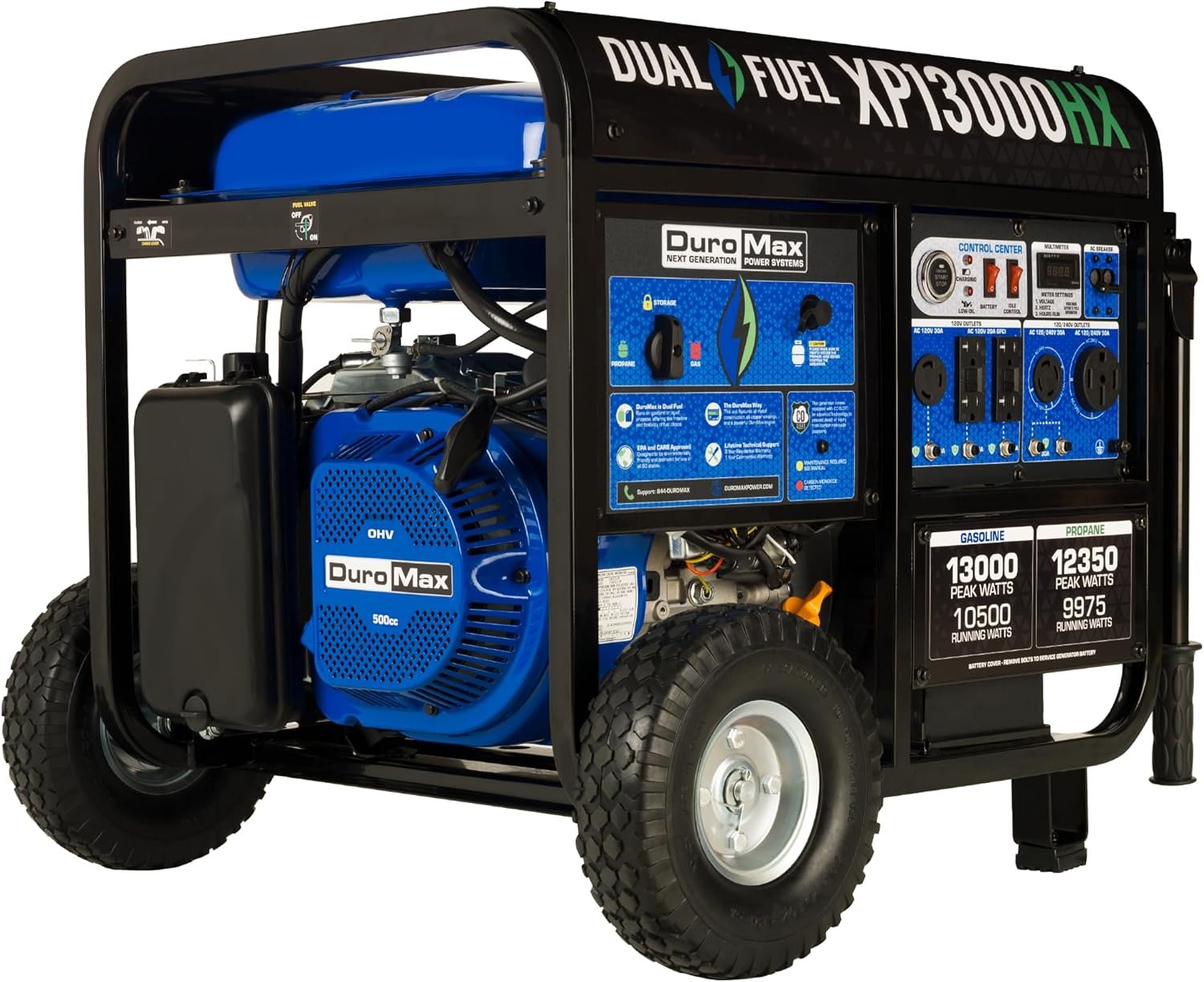
Traditional generators create electricity by burning fuel (gas/propane). They are loud, produce fumes, can power heavy appliances, and refuel instantly. Power stations store electricity in a built-in battery (like a giant power bank). They are silent, emission-free, clean, but have limited capacity and take hours to recharge. - How many years will a portable power station last before the battery dies?
Battery lifespan is measured in charge cycles (one full charge and discharge). Quality LiFePO4 batteries in good power stations can retain 80% of their capacity for 2,000 to 3,000 cycles or more. With typical camping use (20-30 cycles a year), this could mean 10+ years of reliable service before you notice a significant reduction in runtime. - Can I bring a portable power station on a plane?
Most power stations are too large for flights, but power banks under 100Wh are allowed. - Are portable power stations safe in tents?
Yes. They produce no fumes, no heat, and no combustion. - Can I use solar panels while camping?
Absolutely. Solar charging is one of the biggest advantages. - Do power stations work in cold weather?
They do, but battery performance drops in extreme cold. - Are portable power stations good for emergencies at home?
Yes. Many campers also use them for blackouts and storms.
| Portable Power Station For Camping Near You | |
|---|---|
 |
 |
| Check Amazon Discount | Check Walmart Discount |
You Might Also Like: