


|
10 People Are Viewing This Product Right Now |
Power Your Adventures: The Complete 2025 Guide to DJI Portable Power Stations
Introduction: More Than Just Drone Power
DJI Portable Power Stations – Ever found yourself in the middle of nowhere with a dead drone battery, a perfect shot waiting to be captured, and no power source in sight?
Or perhaps you’ve been caught in a blackout, watching your refrigerator slowly warm and your devices power down one by one? We’ve all been there. In our increasingly connected world, reliable power isn’t just a convenience—it’s a necessity.
That’s where DJI portable power stations come in. You might know DJI as the world leader in drone technology, but they’ve been quietly revolutionising the portable power market too.
Building on their expertise in battery technology developed for drones, DJI has created a lineup of power stations that bring professional-grade reliability to everyone from outdoor enthusiasts to homeowners to creative professionals.
In this comprehensive guide, we’re going to dive deep into everything you need to know about DJI’s power stations in 2025. We’ll explore each model in its growing lineup, examine the innovative technology inside these unassuming boxes, and help you determine which one might be the perfect fit for your needs. So, let’s plug in and get started!
The DJI Power Family: Which Portable Power Station is Right for You?
1. DJI Power 2000: The Mighty Powerhouse
Imagine having enough energy to power almost anything you own, wherever you go. That’s the promise of the DJI Power 2000, the flagship model in DJI’s growing power portfolio. Launched in mid-2025, this unit represents a significant leap in portable power technology.
With a massive 2048Wh capacity and 3000W continuous output, this station isn’t playing around. To put that in perspective, it can charge a smartphone 114 times, power a laptop 18 times, or keep your camping lights glowing for 64 consecutive nights. For drone pilots, this is particularly exciting—you can recharge your drone batteries up to 24 times on a single charge, making extended shooting sessions in remote locations completely feasible.
What really sets the Power 2000 apart is its incredible flexibility. It features four AC outlets, four USB-C ports, four USB-A ports, and even dedicated SDC ports for optimised charging of DJI gear. The built-in Uninterruptible Power Supply (UPS) function is a game-changer for home backup—it switches over within 0.01 seconds during a power outage, ensuring your essential devices never skip a beat.


2. DJI Power 1000: The Balanced Performer
Not everyone needs the raw power of the 2000 model, and that’s where the DJI Power 1000 shines. With a 1024Wh capacity and 2200W output, it strikes a perfect balance between performance and portability.
Weighing in at 28.6 pounds, it’s manageable enough to move around yet powerful enough for serious work. It can run a typical home refrigerator for about 20 hours, recharge a mobile phone 57 times, or power a microwave for approximately 1.3 hours. For most users, this represents the sweet spot—enough power for weekend camping trips, moderate home backup needs, or powering tools at a job site.
The Power 1000 has recently received a V2 upgrade in some markets, featuring a more robust chassis and improved battery efficiency that maintains 80% capacity after 4,000 cycles. The only catch? The V2 model isn’t yet available in the U.S. due to regulatory issues, but the original version remains an exceptional value at around $499.
3. DJI Power 500: The Compact Companion
On the more modest end of the spectrum, the DJI Power 500 serves as an entry point into the ecosystem. While search trends indicate it has a more niche audience compared to its bigger siblings, it fills an important role for those with more modest power needs.
Though detailed specifications weren’t extensively covered in our search results, the Power 500 likely follows the same design philosophy as the larger models—durable construction, multiple output options, and the reliable LFP battery technology that DJI has become known for. It’s perfect for day trips, charging multiple personal devices, or as a supplemental power source.

4. DJI Portable Power Stations: Head-to-Head Comparison
| Model | Capacity | Output | Weight | Best For | Price Range |
|---|---|---|---|---|---|
| Power 2000 | 2048Wh | 3000W | ~40 lb (est.) | Extended off-grid, home backup, film productions | Premium (~$1,500+) |
| Power 1000 | 1024Wh | 2200W | 28.6 lbs | Camping, RV trips, power tools, and home emergencies | Mid-range (~$499-$999) |
| Power 500 | 500 Wh (est.) | 1000 W (est.) | ~15 lb (est.) | Day trips, device charging, and small appliances | Entry-level |
The Technology Behind DJI Power Stations: More Than Just a Big Battery
1. LFP Battery Technology: The Long-Lasting Heart
At the core of every DJI power station lies Lithium Iron Phosphate (LFP) battery technology. This isn’t the same battery chemistry found in your typical consumer electronics—it’s something far more durable and long-lasting.
Why does this matter to you? LFP batteries offer an incredible 4,000 full charge cycles while still maintaining 80% of their original capacity. Let’s do the math: if you use your power station every single day, that’s over 10 years of reliable service before you’d notice any significant degradation.
Compared to standard lithium-ion batteries that might only last 500-800 cycles, this represents a massive leap in longevity.
But the benefits don’t stop there. LFP chemistry is inherently safer and more stable than alternatives, with much lower risk of thermal runaway or fire. This isn’t just theoretical safety—DJI has packed these power stations with 26 temperature sensors and 21 fuses that provide real-time monitoring and surge protection, even in extreme environments.
2. The SDC Ecosystem: Smarter Charging for Your Gear
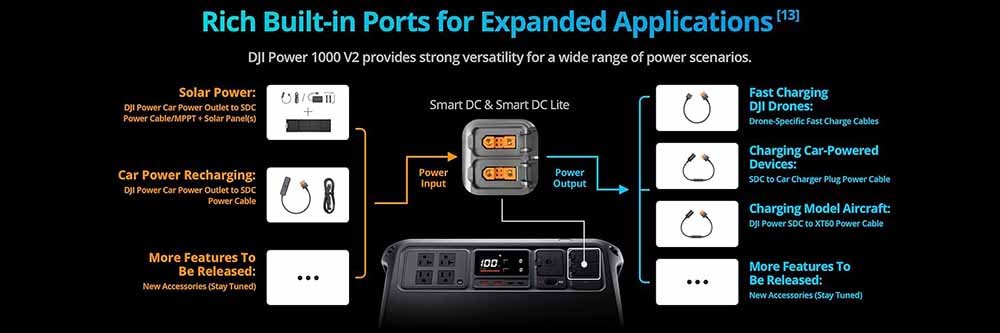
If you’ve ever fumbled with a tangle of adapters and cables to charge your devices, you’ll appreciate DJI’s Software Defined Connection (SDC) ports. These proprietary bidirectional ports are a standout feature that really sets DJI apart from generic power station brands.
Here’s how they work: when you plug a compatible device into an SDC port, the port actually communicates with the accessory and automatically adjusts the voltage and amperage based on that device’s specific needs.
For DJI drone owners, this means optimised fast charging for your aircraft batteries—though it does require purchasing specific SDC dongles for different drone models.
The SDC ecosystem extends beyond just drone charging. There are adapters for solar panels, car charging, and various other applications. While the necessity of buying additional dongles has drawn some criticism from reviewers, the convenience and optimisation they offer once you have them is undeniable.

3. App Connectivity and Control
In an age where we control everything from our phones, why should power stations be any different? Most DJI power stations offer app connectivity, though the implementation varies by model.
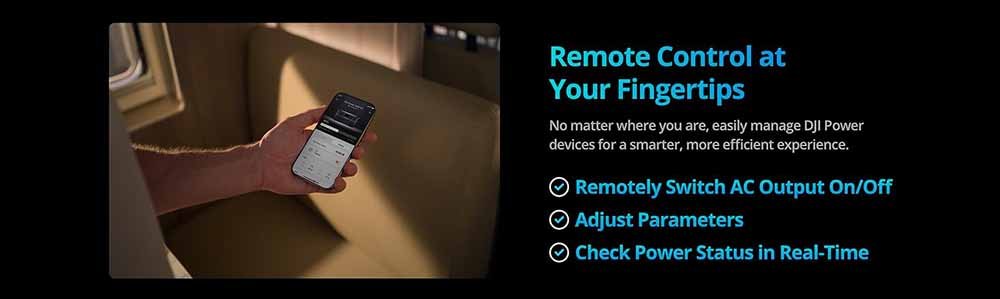
With the DJI Home app, you can monitor power input and output in real-time, adjust settings like maximum recharge limits, and keep your firmware updated. However, it’s worth noting that on some models, like the Power 1000, this functionality requires an additional SDC Power Dongle ($25) rather than having built-in wireless connectivity.
The app experience has been described as somewhat rudimentary compared to some competitors—it lacks historical energy usage reports and detailed analytics—but it covers the essentials well enough for most users.
Charging Your DJI Power Station: Flexibility and Speed
1. Lightning-Fast AC Charging
One of the most impressive features across the DJI power lineup is their remarkably fast recharge times. We’ve all experienced the frustration of waiting days for a power station to recharge, but DJI has essentially solved this problem.
The Power 2000 can be recharged to 80% in just 55 minutes from a standard wall socket, and fully topped up in 90 minutes. The Power 1000 isn’t far behind, reaching 80% in approximately 50 minutes and 100% in about 70 minutes using its fast charge mode.
This has practical implications beyond mere convenience. During an extended power outage, you could theoretically run critical appliances in your home, quickly recharge during a brief power restoration, then have another full battery ready to go when the power fails again.
2. Solar Charging: Harness the Sun’s Power
For true off-grid independence, solar charging is where DJI power stations really shine. The Power 2000 supports up to 1800W of solar input, meaning you could theoretically fully recharge it in just over an hour with ideal sun conditions and sufficient panels.
DJI offers their own Zignes Solar Panels, which are foldable, weatherproof assemblies with an IP65 rating. A single 100Wh panel can fully recharge the Power 1000 in around 12-15 hours, and you can connect multiple panels together for faster charging.
The optional MPPT (Maximum Power Point Tracking) Solar Panel Adapter Module ($59) optimises the solar input, ensuring you’re extracting the maximum possible power from your panels regardless of weather conditions.
3. Alternative Charging Methods
The flexibility doesn’t end with wall outlets and solar panels. DJI power stations can also be charged via:
- Car charging using various car charger options, though full recharges can take up to 11 hours with basic cables
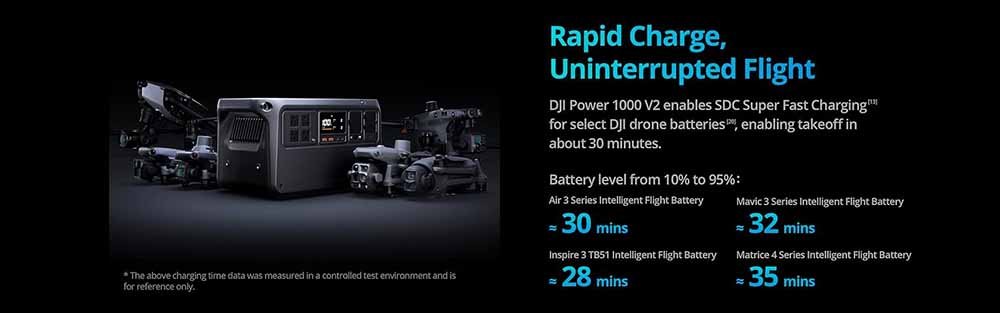
- DJI’s Super Fast Car Chargers can significantly reduce charging times when you’re on the road
- Intelligent hybrid recharging that allows you to combine multiple power sources simultaneously
Real-World Applications: Where DJI Power Stations Shine
1. For Outdoor Adventures and Camping
DJI Portable Power Stations – Whether you’re a weekend car camper or a serious backcountry explorer, a DJI power station can dramatically improve your experience. Imagine no longer worrying about finding electrical hookups at campgrounds or being able to power a small electric cooler, campsite lighting, and your essential devices simultaneously.
The quiet operation of these units (as low as 26dB on the Power 1000 V2) means they won’t disturb the peacefulness of nature or your camping companions. That’s quieter than a typical library conversation!
For extended expeditions, the ability to recharge via solar panels means virtually unlimited power as long as the sun is shining. You could keep cameras, GPS devices, satellite communicators, and other essential gear powered indefinitely.
2. For Home Backup Power
With extreme weather events becoming more common, having a reliable home backup power source has transitioned from a luxury to a necessity for many households. A DJI power station can keep your essential appliances running during an outage—refrigerators, Wi-Fi routers, medical devices like CPAP machines, and lighting.
The built-in UPS functionality is particularly valuable here. For sensitive electronics like computers or medical equipment, even brief power interruptions can be problematic. The 0.01-second switchover time ensures connected devices continue running seamlessly.
For extended outages, the expandable capacity of DJI systems becomes incredibly valuable. The Power 2000 can be connected with up to 10 expansion batteries for a jaw-dropping total of 22,528Wh—enough to power essential home systems for days.
3. For Content Creators and Filmmakers
If you’re shooting photos or videos in remote locations, reliable power isn’t just convenient—it’s essential for your work. DJI power stations are practically tailor-made for content creators, especially those already invested in the DJI ecosystem of drones, gimbals, and cameras.
The ability to recharge drone batteries 24 times from a single Power 2000 charge means you can focus on capturing the perfect shot rather than rationing your flight time. For time-lapse or star trail photography that requires hours of continuous shooting, you can power your camera setup all night without worry.
The multiple USB-C and AC outlets mean you can charge cameras, monitors, laptops, and other production gear simultaneously from a single compact unit.
How DJI Stacks Up Against the Competition
1. DJI vs. EcoFlow
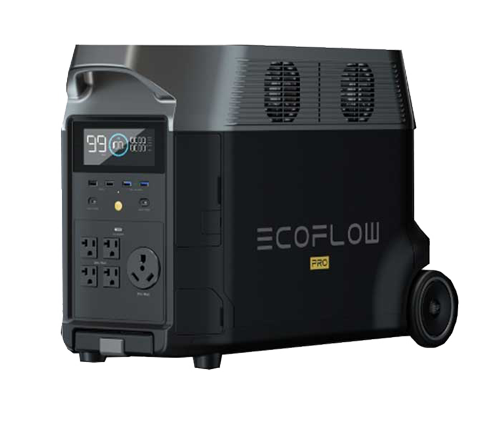
EcoFlow is one of the biggest names in portable power, and their Delta 3 Plus (1024Wh) was ranked as the best overall portable power station in TechRadar’s 2025 guide. So how does DJI compare?
Both brands offer similar rapid charging capabilities and robust build quality. However, DJI’s LFP battery technology typically offers longer cycle life compared to many competing models. Where DJI really stands apart is for users already within their ecosystem—the optimised charging for DJI drones via SDC ports is a significant advantage if you own their gear
2. DJI vs. Anker
Anker’s Solix F3800 is a beast of a power station with 3840Wh capacity and 6000W output, positioning it as a direct competitor to DJI’s Power 2000 in the premium segment.
The Anker model boasts an impressive 26.9kWh expandable capacity and a more extensive port selection, including specialty outlets for RV hookups. However, it comes with a significantly higher price tag and much greater weight (132lbs). For most users, DJI offers a better balance of performance, portability, and price.
4. DJI vs. Jackery
Jackery is another established player, with their Explorer 1000 V2 offering 1070Wh capacity and 1500W output. Jackery units are known for their reliability and user-friendly designs.
DJI typically matches or exceeds Jackery’s specifications while often offering faster charging capabilities and more advanced battery technology. However, Jackery maintains strong brand recognition and an extensive accessory ecosystem.
The Future of DJI Portable Power
1. DJI’s Expanding Ecosystem
Looking at DJI’s 2025 product strategy, it’s clear that portable power represents a significant part of their diversification beyond drones. As they face increasing regulatory pressures in some markets, expanding into complementary product categories like power stations makes strategic sense.
We can expect to see tighter integration between DJI’s power products and their other devices—imagine a drone that can automatically return to a power station for recharging, or cameras that optimise their power draw when connected to a DJI power source.
2. Technological Advancements on the Horizon
Battery technology continues to advance at a rapid pace. While DJI’s current LFP batteries are impressive, emerging technologies like semi-solid-state and solid-state batteries promise even greater energy density and safety.
Xingto’s semi-solid-state batteries, for example, are achieving 260-500 Wh/kg density and 800-1,000 cycle life while maintaining over 80% capacity. As these technologies mature and production costs decrease, we can expect DJI to incorporate them into future power station models.
AI-optimised battery management systems that learn from your usage patterns to extend battery life are another likely development on the horizon.
Making Your Decision: Which DJI Power Station is Right for You?
1. Assessing Your Power Needs
Choosing the right power station starts with honestly evaluating how you plan to use it. Ask yourself:
- What devices do I need to power, and what are their wattage requirements?
- How long do I typically need backup power for?
- Will I be moving the unit frequently, or will it mostly stay in one place?
- Do I already own DJI drones or other gear that would benefit from optimised charging?
For most casual users—weekend camping, occasional power outages, recreational use—the DJI Power 1000 hits the sweet spot of capacity, portability, and price.
For serious off-grid use, home backup during extended outages, or professional content creation, the DJI Power 2000 is worth the additional investment for its expanded capacity and output.
| Model Name | Price Range | Details |
|---|---|---|
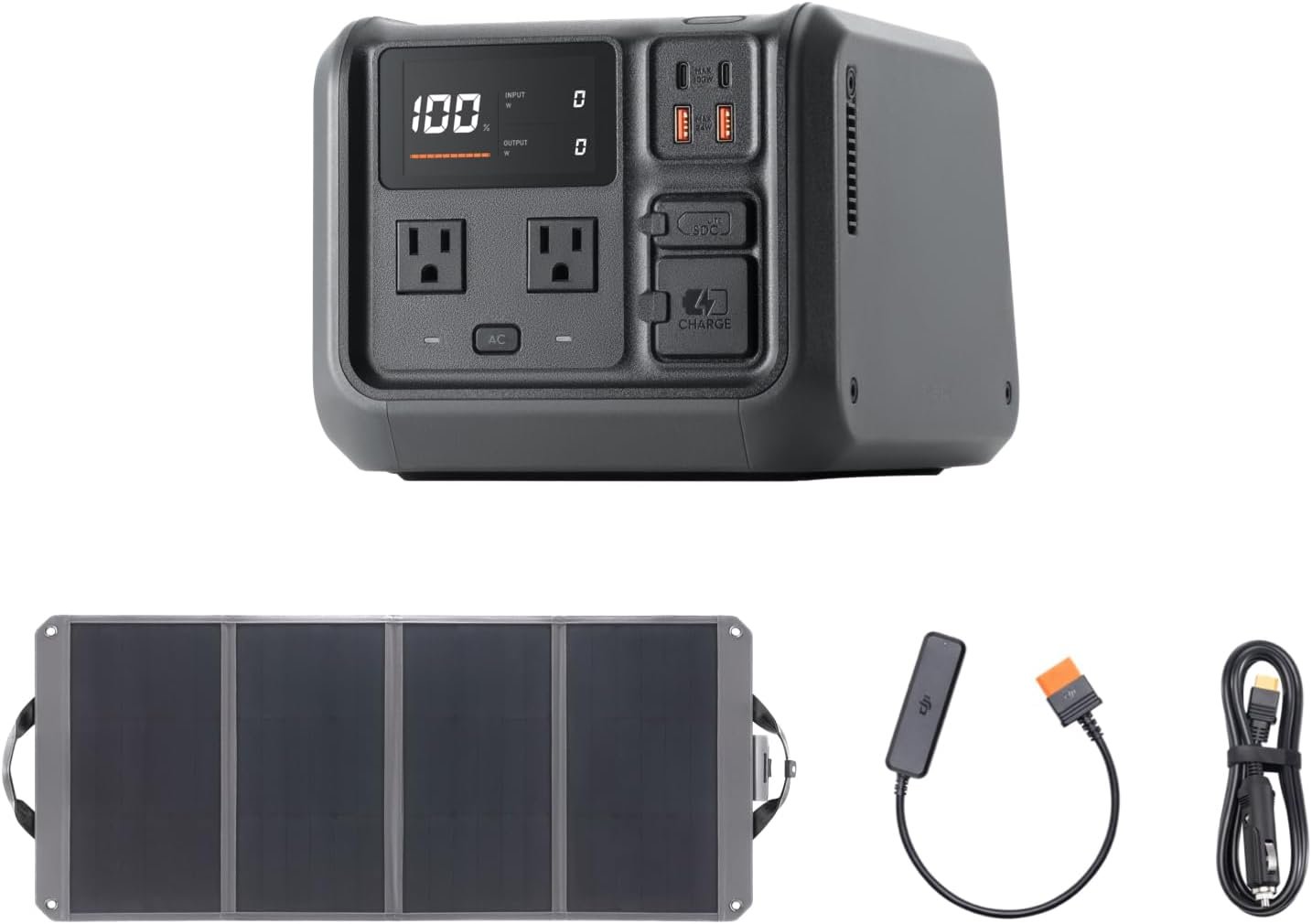
| DJI Power 2000 | $699 – $969 | View |
| DJI Power 1000 V2 | $399 – $769 | View |
| DJI Power 500 Combo (+ Solar Panel) | $847 | View |
2. Budget Considerations
While DJI power stations represent good value for their capabilities, they still require a significant investment. The good news is that with proper care, an LFP-based power station should provide a decade or more of reliable service, making it a long-term investment rather than a disposable gadget.
Consider not just the initial unit cost but also any essential accessories you might need—solar panels, charging dongles for specific devices, carrying cases, or expansion batteries if you anticipate needing more capacity down the line.
Conclusion: Power Where You Need It, When You Need It
DJI Portable Power Stations – In a world where we’re increasingly dependent on electronic devices, having reliable power wherever we go has transitioned from luxury to necessity. DJI portable power stations represent a compelling solution—blending impressive performance, thoughtful design, and the reliability you’d expect from a leader in consumer technology.
Whether you’re an outdoor enthusiast wanting to extend your time off-grid, a homeowner seeking peace of mind during storm season, or a content creator needing reliable power in remote locations, there’s likely a DJI power station that fits your needs.
The Power 1000 offers the best balance for most users, while the Power 2000 provides virtually limitless power for the most demanding applications. Whichever you choose, you’re investing in a product built with cutting-edge battery technology, smart features, and the durability to withstand years of use.
So, what will you power with yours?
| DJI Solar Generator Collections | |
|---|---|
 |
 |
| Check Amazon Discount | Check Walmart Discount |
FAQs About DJI Portable Power Stations
- How many years will a DJI power station typically last?
DJI’s LFP (Lithium Iron Phosphate) batteries are rated for 4,000 full charge cycles while maintaining at least 80% of their original capacity. If you use your power station every single day, that translates to nearly 11 years of reliable service. With typical occasional use, it could easily last 15 years or more. - Can I use a DJI power station while it’s charging?
Yes, all DJI power stations support pass-through charging, meaning you can use the outputs to power devices while simultaneously charging the unit itself. This is particularly useful for home backup scenarios where you might be running essential appliances while recharging via solar or during brief power restorations. - Are DJI power stations compatible with non-DJI solar panels?
Absolutely! While DJI offers their own optimised Zignes Solar Panels, you can use virtually any solar panel with compatible output specifications. You may need additional adapters or cables depending on the connector type on your panels. The optional MPPT adapter module optimises charging efficiency with any panels. - How do I expand the capacity of my DJI power station?
The expansion process varies by model. The Power 2000 can connect with up to 10 DJI Power Expansion Battery 2000 units, boosting total capacity to a massive 22,528Wh. The Power 1000 is compatible with the Power Expansion Battery 2000 ($1,169), bringing total capacity to 3,072Wh, with the ability to stack up to five expansion packs. - Why isn’t the DJI Power 1000 V2 available in the United States?
The updated Power 1000 V2 model isn’t currently available in the U.S. due to what appear to be regulatory issues. This is part of broader challenges DJI has faced in the U.S. market, including trade tariffs and customs restrictions that have affected the availability of some of their newest products, including the Mavic 4 Pro drone. The original Power 1000 remains available and represents an excellent value at around $499.
You Might Also Like: