


|
10 People Are Viewing This Product Right Now |
Power on Your Terms: A Complete Guide to Portable Generator Prices in 2026
Let’s be honest—portable generators are one of those purchases you don’t think much about… until you really need one. A power outage hits, the freezer starts sweating, your Wi-Fi goes dark, and suddenly you’re Googling “price range of portable generators” at lightning speed.
Introduction: Decoding the Dollars and Watts
Portable Generator Prices Guide – Have you ever found yourself staring at a lineup of portable generators, their prices swinging more wildly than a pendulum? One minute you’re looking at a $400 compact unit, and the next, a behemoth priced over $7,500. What gives? The price tag of a portable generator isn’t just a random number—it’s a direct reflection of its capabilities, technology, and intended use.
Whether you’re preparing for storm season, planning an off-grid camping trip, or needing reliable power for a job site, understanding this cost spectrum is the first step to making a smart investment. Think of it like car shopping: a compact city car and a heavy-duty truck serve vastly different purposes and carry vastly different price tags.
Your mission isn’t to find the cheapest or the most expensive generator, but the one that delivers the right power for your needs at a fair price. Let’s unravel the factors that determine how much you should expect to pay for a portable generator and help you navigate the market with confidence.


The Core Factor: How Wattage Drives Cost
The single biggest factor influencing a generator’s price is its power output, measured in watts. It’s the engine under the hood. Simply put, more watts equal a higher price. Generators are typically segmented by wattage, which correlates closely with their use case and, consequently, their portable generator price range.
- Recreational & Light Emergency (Up to 2,500 Watts): These are your portable power companions. Weighing 50-60 pounds, they’re perfect for camping, tailgating, or powering a few essentials during a brief outage—think a fridge, some lights, and charging devices. Here, portable generator costs are most accessible, generally ranging from $500 to $1,100. Models like the renowned Honda EU2200i (around 47 pounds) exemplify this category, prized for their quiet operation and clean power for sensitive electronics.
- Mid-Range for RVs, Small Homes & Job Sites (2,500 to 7,500 Watts): This is the versatile middle ground. These generators can power a small to mid-size RV, several critical home circuits via extension cords, or a suite of power tools. Weight increases significantly (80-180 lbs), and so does the price of a portable generator, with a broad range from $400 to $2,000. This bracket includes popular dual-fuel and inverter models that offer more flexibility and cleaner power.
- Home Backup & Heavy-Duty (7,500+ Watts): These are the powerhouses. Designed to keep most of your home running during an extended outage, they can output 7,000 to over 8,000 watts and often weigh 200 pounds or more, usually rolling on wheels. For this level of output, portable generator prices typically start around $850 and can reach $2,300 or more. For the utmost in whole-home backup, large diesel or premium models can even exceed $7,500. It’s crucial to compare these portable generator prices to permanent standby generators, which can cost over $10,000 installed.
| Generator Type | Typical Price Range |
|---|---|
| Small inverter generators | $300 – $800 |
| Mid-range portable generators | $800 – $1,500 |
| High-power portable generators | $1,500 – $3,500 |
| Premium inverter & dual-fuel generators | $2,000 – $5,000+ |
That’s a huge spread, right? And no—it’s not random. The price depends on power output, fuel type, noise level, runtime, brand reputation, and technology.
Technology and Type: Inverter vs. Traditional
Beyond raw power, the type of generator dramatically affects its cost and performance.
- Traditional (Conventional) Generators: These are the workhorses. They generally produce AC power directly from the engine. They are often the most affordable portable generator option per watt, especially in higher power brackets. However, they can be louder, less fuel-efficient at partial loads, and produce power with more harmonic distortion, which may not be ideal for sensitive electronics like laptops or premium televisions.
- Inverter Generators: This is where technology commands a premium. Inverter generators produce DC power that is then converted to ultra-stable, clean AC power. This results in:
- Safe Power for Electronics: With very low Total Harmonic Distortion (often under 3%), they are perfect for modern gadgets.
- Greater Fuel Efficiency: They adjust engine speed to match the load, saving fuel.
- Quieter Operation: Often enclosed in a case, they are much quieter, a key feature for camping or neighborhoods.
Naturally, this advanced technology increases the inverter portable generator price compared to a traditional model of similar wattage.
Fuel Flexibility: The Cost of Choice
Your choice of fuel is another key price determinant.
- Gasoline: The most common and widely available option. Gasoline models are often the entry point for low-cost portable generators, but require careful fuel storage and management.
- Diesel: Prized for durability, fuel efficiency, and longer runtimes, diesel generators are a staple for heavy-duty and commercial use. They tend to have a higher upfront portable generator price but can be more economical over time. In the UK, portable diesel models can range from approximately £2,100 to over £7,500 (ex. VAT).
- Dual-Fuel (Gasoline/Propane): These models offer valuable flexibility. You can switch between gasoline or propane, which is often easier to store long-term. This highly desirable feature is found in many mid-range and premium models and is a significant factor in their portable generator cost.
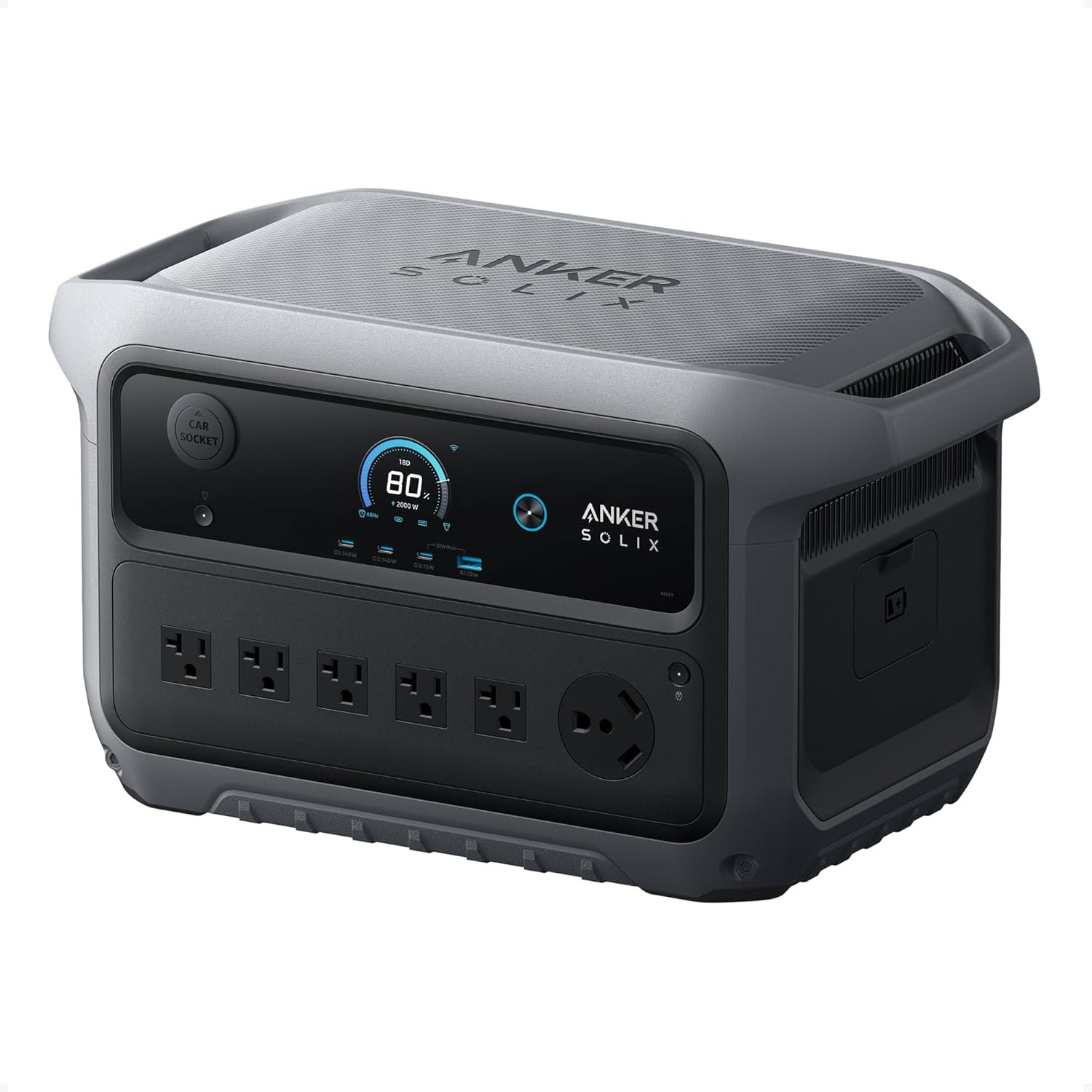
- Solar/Battery Power Stations: A growing category for eco-friendly and quiet indoor/outdoor use. While large solar generators like the Anker Solix F3800 can rival mid-sized fuel units in output, their price is driven by battery capacity and solar charging capability rather than a traditional engine.
Features and Build: Where the Details Add Up
Finally, the “bells and whistles” nudge the price up or down:
- Electric & Remote Start: The convenience of a push-button or even key-fob start is a premium over a manual recoil pull-start.
- Safety Systems: Built-in Carbon Monoxide (CO) detection with auto-shutoff is a critical, potentially lifesaving feature that is becoming standard on newer models and influences value.
- Portability Designs: Wheel kits, folding handles, and overall weight reduction through design add to manufacturing cost but greatly enhance usability.
- Connectivity: Bluetooth apps for monitoring and controlling your generator from your phone are a modern luxury found on higher-end models.
- Outlet Variety: A generator with multiple 120V outlets, a 30-amp RV outlet, USB ports, and even 240V outputs offers more utility and flexibility.
Portable Generator Prices Guide: 2026 Price & Feature Comparison
To make sense of how these factors converge, let’s look at some top-rated models across different categories and their associated portable generator prices.
1. Low-Budget Portable Generators ($300–$600)
- Who This Price Range Is Best For
If you only need backup power for short outages, light camping, or tailgating, this range can be surprisingly effective.
Think of these generators as emergency flashlights, not floodlights. - What You Usually Get
- 1,000–2,000 watts
- Gasoline power
- Manual pull-start
- Limited outlets
- Short runtime (4–6 hours)
| Pros | Cons |
|---|---|
| Affordable entry point | Not suitable for refrigerators or AC units |
| Lightweight and portable | Louder operation |
| Good for phones, lights, fans, and small appliances | Less durable components |
2. Entry-Level Inverter Generators ($600–$900)
- Why This Is a Sweet Spot for Many Buyers
This is where quiet inverter generators start to shine. Prices are still reasonable, but performance improves dramatically. - Typical Features
- 2,000–2,500 watts
- Clean power (safe for electronics)
- Much quieter (50–60 dB)
- Fuel-efficient engines
- Parallel capability
- Best Uses
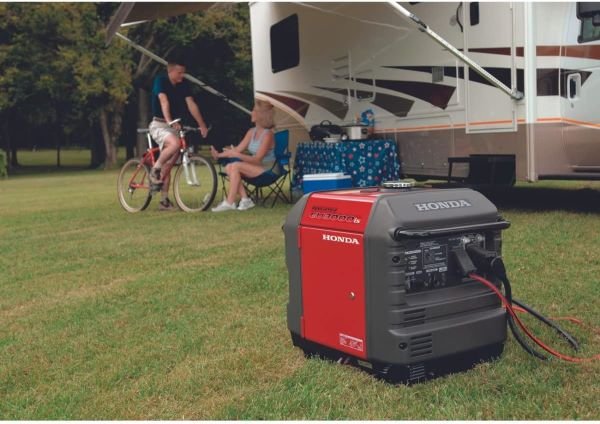
- Camping and RV trips
- Charging laptops and phones
- Running TVs, routers, and CPAP machines
3. Mid-Range Portable Generators ($900–$1,500)
- The Most Popular Price Range Overall
This is where most homeowners land when researching the price range of portable generators for home backup. - Power Capabilities
- 3,000–6,500 watts
- Can run:
- Refrigerator
- Sump pump
- Lights
- Wi-Fi
- Small window AC
| Pros | Cons |
|---|---|
| Longer runtimes (8–12 hours) | Heavier and less portable |
| Larger fuel tanks | Louder than inverter models |
| Better voltage regulation | Still, manual start in many cases |
| More outlets (including 30A RV outlets) |
4. High-Power Portable Generators ($1,500–$3,000)
- What You Can Expect
- 7,000–10,000+ watts
- Electric start
- Heavy-duty frames
- Larger engines
- Long runtimes
- Ideal For
- Whole-house partial backup
- Job sites
- Construction work
- Food trucks
- Downsides
- Heavier (often 200+ lbs)
- Loud
- Higher fuel consumption
5. Premium Inverter & Smart Generators ($2,000–$5,000+)
- Top-Tier Technology, Top-Tier Pricing
These are the Tesla equivalents of portable generators. - What Sets Them Apart
- Ultra-quiet operation
- Advanced inverter technology
- App-based monitoring
- Automatic idle control
- Dual-fuel or tri-fuel options
- Why People Pay More
- Extremely clean power
- Whisper-quiet performance
- Excellent fuel efficiency
- Premium build quality
- Best For
- Homeowners with sensitive electronics
- RV owners
- Medical equipment users
- Noise-restricted environments
Yes, the price is higher—but so is the peace of mind.
Best Portable Generators by Price Range
| Product | Power Output | Fuel Type | Noise Level | Best For | Price Range | Action |
|---|---|---|---|---|---|---|
| Westinghouse iGen2200 | 2,200W (Starting) | Gasoline | Ultra-Quiet (52 dBA) | Camping, electronics | $450–$600 | 🔥 Check Price |
| Champion 4500 Dual Fuel | 4,500W | Gas / Propane | Moderate | Home backup, RV | $900–$1,200 | 🔥 Check Price |
| DuroMax XP8500HX | 8,500W | Gas / Propane | Loud | Whole-home partial backup | $1,300–$1,700 | 🔥 Check Price |
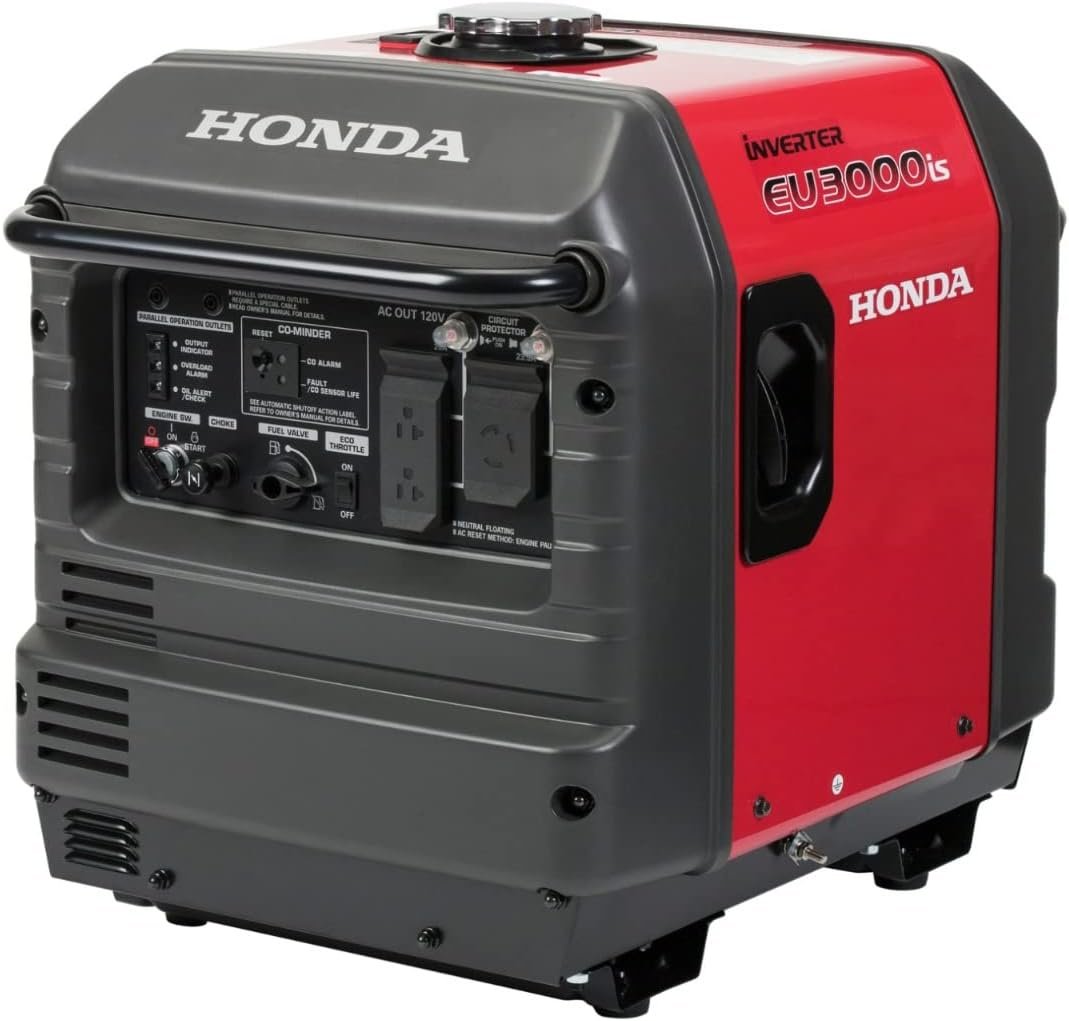
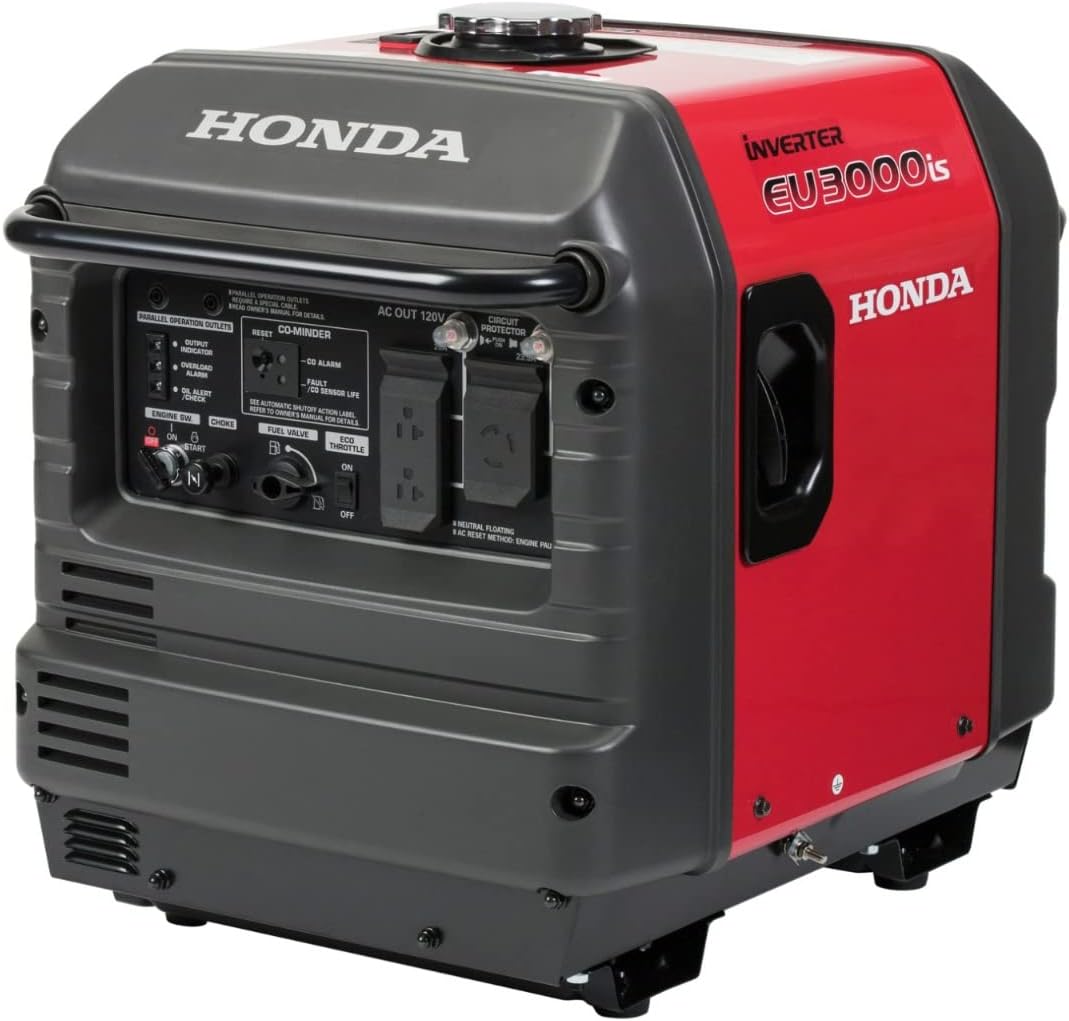
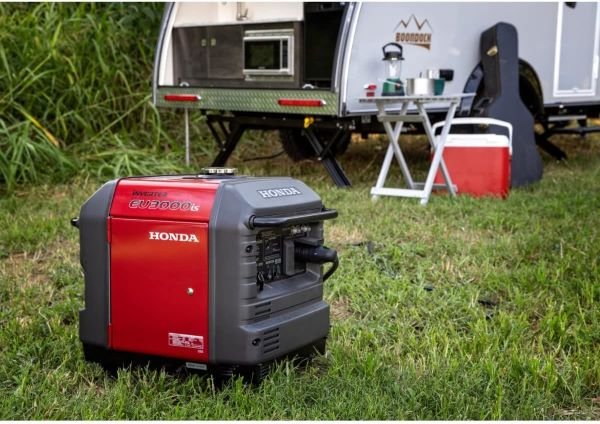
| Honda EU3000iS | 3,000W | Gasoline | Whisper-Quiet | Quiet neighborhoods, RV | $2,300–$3,000 | 🔥 Check Price |
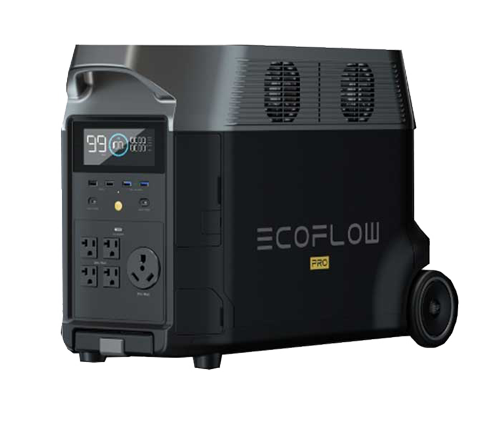
| EcoFlow DELTA Pro | 3,600W (Expandable) | Battery / Solar | Silent | Indoor & smart backup | $3,500–$5,000+ | 🔥 Check Price |
Making Your Decision: Balancing Budget and Need
So, how do you land on the right generator without overspending? Follow this simple checklist:
- Calculate Your “Must-Power” Wattage: List the essential appliances you need to run simultaneously during an outage (fridge, furnace fan, lights, etc.). Add their running watts, and don’t forget to account for the higher starting watts of motors (like in fridges or pumps). Online calculators can help.
- Match the Generator to the Task: Are you camping (prioritize weight, noise, inverter tech)? Prepping for home emergencies (prioritize wattage, reliability, dual-fuel)? Powering a job site (prioritize outlet types, durability)? Your primary use narrows the field instantly.
- Set a Realistic Budget: Now that you know the portable generator price ranges, set a budget that includes not just the unit, but also necessary accessories like heavy-duty extension cords, a transfer switch (for home backup), a weatherproof cover, and a fuel stabilizer.
- Weigh the Value of Features: Is the peace of mind of a CO sensor worth an extra $100? Is the convenience of an electric start worth it for your household? Decide which features are non-negotiable for your lifestyle.
| Your Use Case | Recommended Generator Type | Ideal Wattage | Typical Price Range |
|---|---|---|---|
| Camping & Tailgating | Inverter Generator | 1,800–2,200W | $400–$800 |
| RV & Travel | Quiet Inverter Generator | 2,000–3,000W | $700–$1,200 |
| Emergency Home Backup | Portable Generator | 4,000–6,500W | $900–$1,500 |
| Power Multiple Appliances | High-Watt Generator | 7,500–10,000W | $1,500–$3,000 |
| Silent / Indoor Use | Battery Generator | Expandable | $3,000–$5,000+ |
| Feature | Budget Models | Mid-Range Models | Premium Models |
|---|---|---|---|
| Average Price | $300–$600 | $800–$1,500 | $2,000+ |
| Noise Level | Loud | Moderate | Very Quiet |
| Fuel Options | Gas only | Gas / Dual-Fuel | Dual / Battery |
| Runtime | 4–6 hrs | 8–14 hrs | 10–24+ hrs |
| Electronics Safe | ❌ | ⚠️ Some | ✅ Yes |
| Best Value For | Light use | Home backup | Long-term reliability |
Conclusion of Portable Generator Prices Guide
Portable Generator Prices Guide – Navigating the price of portable generators ultimately comes down to aligning power, technology, and features with your specific needs and budget. There’s a perfect balance point for everyone, from the budget-conscious camper seeking a reliable $500 inverter to the homeowner investing $2,000+ in robust, seamless backup power.
Remember, a generator is more than just a tool; it’s an investment in security, comfort, and continuity during unexpected events. By understanding what drives portable generator costs—from the basic wattage to the advanced inverter technology and fuel flexibility—you can move beyond sticker shock and make a confident, empowered purchase that will keep you powered for years to come.
FAQs
- What is the most significant factor affecting portable generator prices?
The power output, measured in watts, is the primary cost driver. A generator capable of powering a few essentials (2,500W) may cost around $500-$1,100, while a unit that can run most of a home (8,000W+) typically costs $1,600-$2,300 or more. - Is it worth paying more for an “inverter” generator?
Suppose you plan to power sensitive electronics like laptops, smartphones, or modern TVs, yes. Inverter generators provide cleaner, stable power (low THD) that prevents damage. They are also significantly quieter and more fuel-efficient at partial loads, justifying their higher price for many users. - What are the ongoing costs of owning a portable generator?
Beyond the purchase price, budget for fuel (gasoline, propane, or diesel), periodic oil changes, air filter replacements, and long-term fuel stabilizer. You may also need heavy-duty extension cords and, for home backup, a professional electrician to install a transfer switch. - Can I use a portable generator indoors or in my garage?
Absolutely not. All fuel-burning generators produce lethal carbon monoxide (CO) gas. They must only be operated outdoors, far away from windows, doors, and vents to prevent exhaust from entering any structure. - How do I find a reliable generator within my budget?
Start by accurately calculating your power needs. Then, focus on reputable brands with strong warranties and positive reviews from trusted sources like Consumer Reports or Popular Mechanics. Compare models within your target wattage range, and prioritize features that matter most to you, such as dual-fuel capability or electric start, to find the best value. - What is the average price of a good portable generator?
Most reliable portable generators fall between $800 and $1,500, offering the best balance of power and value. - Are inverter generators more expensive than standard ones?
Yes, inverter generators typically cost 20–40% more, but they’re quieter, cleaner, and more fuel-efficient. - Is a $500 portable generator worth buying?
Yes—for light use like camping or emergency phone charging, but not for whole-home backup. - Why are dual-fuel generators more expensive?
They include additional fuel systems and safety features, increasing manufacturing costs. - Do expensive generators last longer?
Generally, yes. Higher-priced models use better engines, stronger frames, and improved voltage regulation.
| Power Station For Camping Near You | |
|---|---|
 |
 |
| Check Amazon Discount | Check Walmart Discount |
You Might Also Like: