| 10 People Are Viewing This Product Right Now |
Best Portable Power Stations of 2026: Your Complete Guide to Reliable Backup Power for Camping, Emergencies & Off-Grid Living
We’re diving deep into the world of portable power solutions. We’ll break down the top models on the market, decode the jargon, and help you find the perfect unit for your specific needs. Whether you’re a weekend camper, a remote worker, or someone who just wants peace of mind during the next storm, stick around. By the end of this article, you’ll be a portable power station expert.
What Exactly Is a Portable Power Station?
Best Portable Power Stations – Before we start throwing around brand names and technical specs, let’s get back to basics. What are we even talking about here?
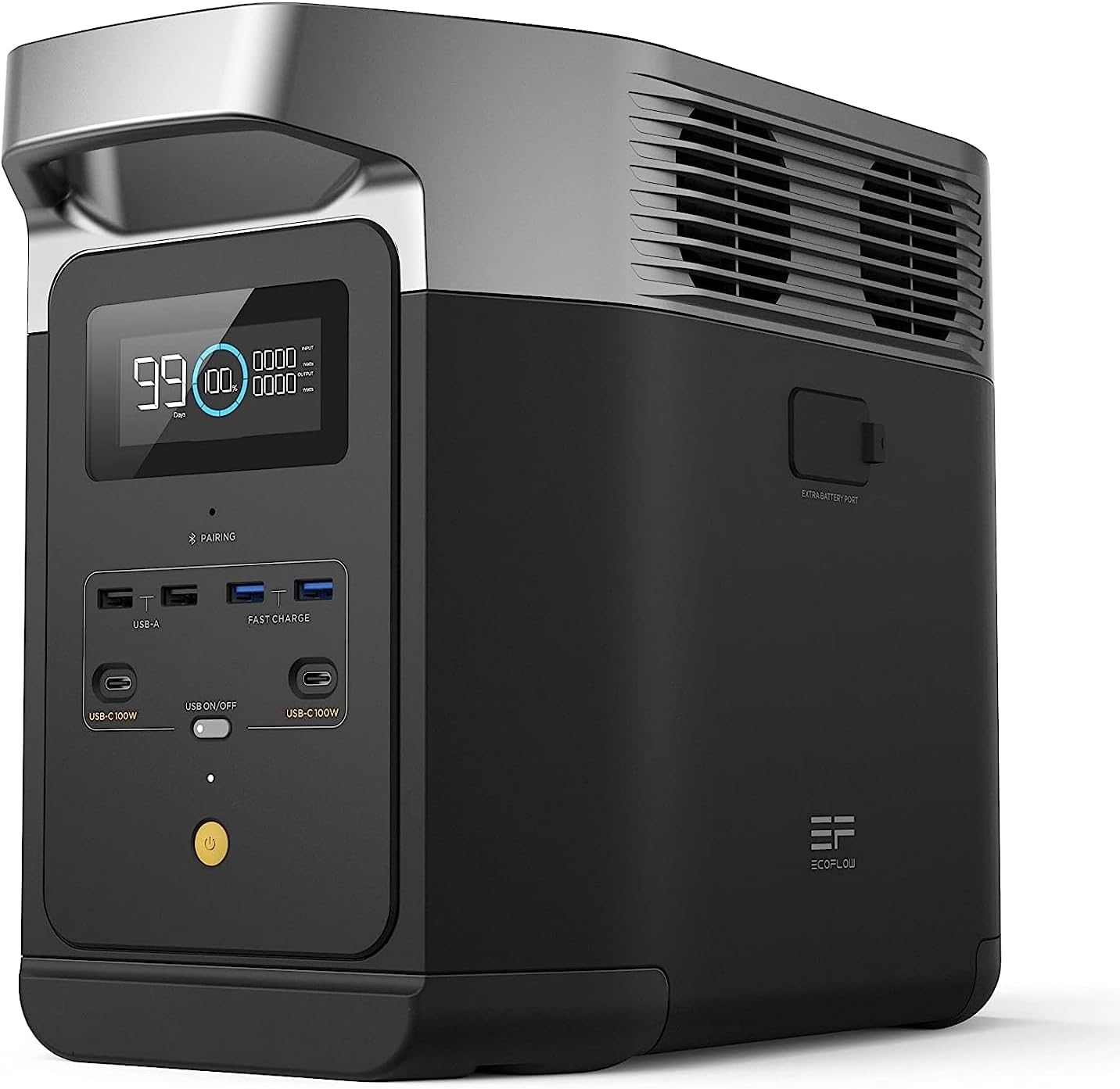
A portable power station is essentially a giant rechargeable battery packed into a box with outlets. Imagine your phone’s power bank, but on steroids — big enough to run your refrigerator, charge your laptop a dozen times, or keep your CPAP machine running through the night. These units store electrical energy (usually in lithium-ion or LiFePO4 batteries) and convert it into usable AC or DC power through built-in inverters.
Here’s the beautiful part: unlike traditional gas generators, portable power stations don’t need fuel, don’t produce exhaust, and won’t wake up the entire campground. You charge them from a wall outlet, a car charger, or — my personal favorite — solar panels. Yes, you can literally harness the sun to power your life. How cool is that?
The technology has exploded in recent years. What started as niche gear for hardcore overlanders has become mainstream emergency preparedness equipment. Prices have dropped, capacities have soared, and features have gotten downright futuristic. We’re talking app-controlled charging, wireless charging pads, and expandable systems that can scale from powering a phone to running an entire house.


How We Evaluated the Best Portable Power Stations
You might be wondering: “How do I know these recommendations are legit?” Fair question. When evaluating the best portable power stations, we didn’t just read Amazon reviews and call it a day. We looked at rigorous testing protocols from industry experts who put these units through real-world torture tests.
The evaluation process typically involves four critical areas: maximum output testing (can it actually handle what it claims?), capacity testing (how much usable power do you really get?), recharge speed (because nobody wants to wait forever), and portability (can you actually move this thing without throwing out your back?).
Top reviewers connect multiple appliances to push each unit to its limits, use electricity monitors to measure actual watt-hour output, time full recharges from zero to 100%, and physically carry or roll each unit to assess real-world portability. They also factor in warranty length, battery chemistry, and long-term storage performance — because a power station that loses half its charge after sitting in your garage for three months isn’t exactly “emergency ready.”
The Top Picks: Best Portable Power Stations of 2026
Alright, let’s cut to the chase. After analyzing the latest test data and expert reviews, here are the standout performers that deserve your attention.
1. Best Overall: EcoFlow Delta 2
If you want the sweet spot between performance, price, and portability, the EcoFlow Delta 2 is your answer. This thing is like the Swiss Army knife of portable power stations — it does everything well without breaking the bank.
With a 1,024 watt-hour capacity and a 1,800-watt maximum output, it can handle everything from your laptop to a small space heater. In expert testing, it delivered an impressive 88% of its stated capacity under heavy loads and recharged in just 75 minutes.
That’s faster than you can watch a movie! At around 27 pounds, it’s light enough to grab and go, and the LiFePO4 battery chemistry means it’ll last for 3,000 charge cycles before degrading to 80% capacity. Do the math — that’s over 8 years of daily use.
What really sets the Delta 2 apart is its efficiency at low power draws. When running a consistent 34-watt load (think laptop and phone charging), it outlasted nearly every competitor. That’s the scenario most of us actually use these for, not running power-hungry appliances. Plus, with a 5-year warranty and an average price of about 61 cents per usable watt-hour, it’s genuinely excellent value.
2. Best Value: Oupes Mega 1
 Let’s say you’re on a budget but refuse to compromise on capability. Enter the Oupes Mega 1 — the underdog that punches way above its weight class.
At roughly 64 cents per usable watt-hour, this unit is blowing pricier competitors out of the water. It features the same 1,024Wh capacity and a whopping 2,000-watt output, plus it recharges in just 43 minutes — one of the fastest times tested. The LiFePO4 battery boasts an impressive 3,500 lifecycle rating, and it even carries an IP21 water resistance rating, which is rare at this price point.
Now, here’s where it gets interesting. Initial testing showed some efficiency inconsistencies — it only delivered 60% of stated capacity on low-draw tests. But after three months in storage, something surprising happened: it actually performed better, hitting 92% efficiency on high-draw tests.
While this raises some questions about consistency, the value proposition is undeniable. If you’re willing to take a small gamble for massive savings, the Oupes Mega 1 is hard to ignore.
3. Best for Solar Integration: Anker SOLIX C1000 Gen 2
 Are you dreaming of going off-grid? Planning to pair your power station with solar panels? Then the Anker SOLIX C1000 Gen 2 should be at the top of your list.
This compact powerhouse delivers 1,024Wh of LiFePO4 capacity with a 2,000-watt output (3,000-watt peak). It fully charges in just 47 minutes and weighs under 25 pounds — seriously portable for this much power. But here’s the kicker: Anker’s solar panels are among the best in the business. Their 100W panel even includes a built-in sundial to help you angle it perfectly for maximum sun capture.
In testing, the C1000 Gen 2 showed exceptional efficiency on high-draw appliances like dehumidifiers, outperforming units that cost significantly more. If your goal is building a portable solar generator setup for camping, RV life, or emergency backup, this is the most solar-optimized option available.
4. Most Reliable: Goal Zero Yeti 700
 Some people just want something that works. No fuss, no surprises, no app-controlled gimmicks — just rock-solid reliability when the lights go out. For you, the Goal Zero Yeti 700 is the answer. This unit achieved the most efficient performance in low-draw testing, powering a 34-watt grow light for over 13 hours straight.
Unlike competitors that suddenly shut off with phantom charge remaining, the Yeti 700 accurately displays power consumption and gives you honest readings down to the last 1%. It even shows you exactly how much energy the unit itself is using — a transparency feature most brands ignore.
The IPX4 water resistance rating means it can handle splashes, and the fold-down handle makes it genuinely comfortable to carry at just 20.9 pounds. With a 5-year warranty and a 4,000-cycle LiFePO4 battery, this is the power station you buy once and forget about for a decade.
5. Easiest to Use: Jackery Explorer 1000 V2
 Remember the first time you picked up an iPhone and thought, “Wow, this just makes sense”? That’s the Jackery Explorer 1000 V2 in the world of portable power stations.
Jackery has built a reputation as the most user-friendly brand in the space, and the 1000 V2 continues that tradition. The display panel is intuitive, the bright orange charging cables are color-coded to match the unit, and everything just… works. No confusing button combinations, no cryptic error messages.
With 1,265Wh of LiFePO4 capacity and a 2,000-watt output, it’s got the muscle to back up the friendly interface. It scored 86% efficiency on high-draw tests and maintained 82% capacity after three months in storage. The trade-off? It’s heavier than competitors at 32 pounds, and some durability concerns have emerged with the housing. But if you prioritize simplicity and trust the brand, this is your pick.
6. Best Compact Option: EcoFlow River 3 Plus
 Not everyone needs to power a refrigerator. Sometimes you just want something small enough for a weekend camping trip that can charge your phone, run a mini-fridge, and power some LED lights. For that, the EcoFlow River 3 Plus is perfect.
This pint-sized powerhouse offers surprising capability in a package you can easily carry with one hand. It’s the ideal entry point for anyone new to portable power stations who isn’t ready to drop big money on a massive unit. Think of it as your gateway drug to energy independence — once you experience the freedom of off-grid power, you’ll wonder how you ever lived without it.
7. Best Whole-Home Backup: EcoFlow Delta Pro 3
 Now we’re talking serious business. The Delta Pro 3 isn’t just a portable power station — it’s a home energy ecosystem that happens to be portable.
With a 3,600Wh base capacity expandable up to 90kWh, this beast can literally power your entire house during an outage. We’re talking refrigerators, air conditioners, well pumps, the works. It delivers 3,600 watts continuous output with a 7,200-watt surge capacity, meaning it’ll start even the most demanding appliances without breaking a sweat.
Yes, it’s expensive. Yes, it’s heavy. But if you live in an area prone to multi-day blackouts or want true energy independence, this is the ultimate solution. Pair it with solar panels, and you might never pay an electric bill again.
Portable Power Station Comparison Table
| Feature | EcoFlow Delta 2 | Anker SOLIX C1000 Gen 2 | Oupes Mega 1 | Goal Zero Yeti 700 | Jackery Explorer 1000 V2 |
|---|---|---|---|---|---|
| Capacity | 1,024Wh | 1,024Wh | 1,024Wh | 677Wh | 1,265Wh |
| Max Output | 1,800W | 2,000W | 2,000W | 600W | 2,000W |
| Peak/Surge | 2,700W | 3,000W | 4,000W | 1,000W | 4,000W |
| Battery Type | LiFePO4 | LiFePO4 | LiFePO4 | LiFePO4 | LiFePO4 |
| Lifecycles | 3,000 | 3,000 | 3,500 | 4,000 | 4,000 |
| Recharge Time | 75 min | 47 min | 43 min | 118 min | 108 min |
| Weight | 27 lbs | 24.9 lbs | 27.8 lbs | 20.9 lbs | 32 lbs |
| Cost per Wh | ~$0.61 | ~$0.76 | ~$0.64 | ~$1.05 | ~$0.88 |
| Water Resistance | IP20 | None | IP21 | IPX4 | None |
| Warranty | 5 years | 5 years | 3 years | 5 years | 5 years |
| Best For | All-around use | Solar setups | Budget buyers | Reliability | Ease of use |
| View Details | View Details | View Details | View Details | View Details |
Key Features to Consider When Buying a Portable Power Station
1. Battery Chemistry: LiFePO4 vs. Traditional Lithium-Ion
Here’s a question that stumps a lot of first-time buyers: What’s the difference between battery types, and why does it matter?
Think of it like this: traditional lithium-ion batteries are like a sports car — fast, powerful, but they wear out quickly. LiFePO4 (lithium iron phosphate) batteries are like a diesel truck — slightly heavier, but they’ll run for hundreds of thousands of miles without complaint.
LiFePO4 batteries offer 3,500 to 4,000 charge cycles before degrading to 80% capacity, compared to just 500-800 cycles for standard lithium-ion. That’s the difference between a battery that lasts 2 years versus one that lasts 10. They also run cooler, are less prone to thermal runaway (read: catching fire), and perform better in extreme temperatures. In 2026, any power station worth buying uses LiFePO4 chemistry.

2. Understanding Watt-Hours and Continuous Output
Let’s decode the numbers that matter most. Watt-hours (Wh) tell you how much total energy the battery stores — think of it as the size of your gas tank. Continuous output (measured in watts) tells you how much power the unit can deliver at once — that’s your engine’s horsepower.
Here’s a practical example: A 1,000Wh power station with a 1,000W continuous output could theoretically run a 100W device for 10 hours (1,000Wh ÷ 100W = 10 hours). But in reality, you’ll get less because of inverter inefficiency and the power the unit itself consumes. Most quality units deliver 60-90% of their stated capacity in real-world use.
For reference, here are some common device power draws:
- Smartphone: 5-15W
- Laptop: 30-90W
- Mini-fridge: 50-100W
- CPAP machine: 40-90W
- Space heater: 1,000-1,500W
- Microwave: 1,000-1,200W
3. The Importance of Pure Sine Wave Inverters
This sounds technical, but it’s crucial. Your power station’s inverter converts DC battery power to AC household power. There are two types: modified sine wave and pure sine wave.
Modified sine wave is cheaper but produces “dirty” power that can damage sensitive electronics like laptops, medical devices, and audio equipment. It’s like drinking tap water from a questionable source — it’ll work, but you might regret it.
A pure sine wave produces clean, stable power identical to what comes from your wall outlet. Every unit on our list uses pure sine wave inverters, but always double-check when shopping for budget options. If a deal seems too good to be true, it probably uses a modified sine wave. Don’t risk your $2,000 laptop to save $50.
4. Solar Charging and MPPT Controllers
Want true energy independence? Solar charging is where it’s at. But not all solar charging is created equal.
Look for units with MPPT (Maximum Power Point Tracking) charge controllers. Without getting too technical, MPPT is like a smart traffic cop that constantly adjusts to get the maximum energy from your solar panels as conditions change. It can improve charging efficiency by 20-30% compared to older PWM controllers.
Most quality power stations accept solar input between 100W and 1,000W, depending on the model. A good rule of thumb: your solar panel array’s wattage should roughly match your power station’s capacity for reasonable recharge times. So a 1,000Wh unit pairs well with 200-400W of solar panels for a 3-5 hour full recharge in ideal conditions.
5. Portability vs. Capacity: Finding Your Sweet Spot
Here’s the eternal trade-off: more capacity means more weight. It’s physics, and nobody’s beaten Newton yet.
Ask yourself honestly: How will you actually use this thing? If it’s living in your garage for emergencies, weight barely matters. If you’re hauling it to a campsite every weekend, every pound counts. The lightest units on our list are around 20 pounds, while whole-home systems can exceed 100 pounds.
Consider the form factor too. Some units have wheels and extendable handles (like luggage), while others require two-handed carrying. If you’ve got back issues or limited strength, prioritize lighter models or ones with ergonomic handles.
Real-World Use Cases: Who Needs What?
- Camping and Outdoor Adventures
For weekend warriors, you don’t need a monster. A 300-500Wh unit like the EcoFlow River 3 Plus handles phone charging, LED lights, and a small cooler just fine. Pair it with a 100W solar panel, and you’ve got indefinite off-grid power for lightweight adventures. - Remote Work and Digital Nomad Life
Working from a van or cabin? You’ll want 1,000Wh+ capacity to run a laptop, monitor, and Starlink dish for a full workday. The EcoFlow Delta 2 or Anker SOLIX C1000 Gen 2 hit the sweet spot here — enough capacity without requiring a forklift to move them. - Emergency Home Backup
For keeping essentials running during outages, aim for 1,000-2,000Wh minimum. You want to power your refrigerator (so food doesn’t spoil), charge phones, run a CPAP machine if needed, and maybe keep a few lights on. The Jackery Explorer 1000 V2 or EcoFlow Delta 2 are perfect entry points. - Whole-Home Backup and Off-Grid Living
If you’re done with the grid entirely or live in hurricane country, expandable systems like the EcoFlow Delta Pro 3 are the answer. These units can tie into your home’s electrical panel, accept massive solar arrays, and scale to tens of kilowatt-hours. They’re investments, not purchases — but when the next big storm hits, you’ll be the only house on the block with lights on.
Common Mistakes to Avoid When Buying
Let me save you from some painful lessons I’ve seen others learn the hard way.
- Buying Based on Stated Capacity Alone. That shiny “2,000Wh” number on the box? It’s about as reliable as a used car salesman’s promise. Real-world usable capacity is typically 60-90% of stated capacity due to inverter losses and the unit’s own power consumption. Always look for independent testing results.
- Ignoring Surge Power Requirements. Your refrigerator might only draw 150W while running, but it needs 1,000W+ to start up. If your power station can’t handle that surge, you’ll hear the compressor try to start, fail, and potentially damage your appliance. Always check surge/peak ratings, not just continuous output.
- Forgetting About Self-Discharge. A power station in your garage for six months might lose significant charge just sitting there. Quality LiFePO4 units hold charge better, but nothing beats the simple habit of topping off your unit every few months.
- Skimping on Warranty. A 1-year warranty on a product that should last a decade? Hard pass. The best manufacturers offer 5-year warranties because they know their products are built to last. That warranty is your insurance policy.
The Future of Portable Power: What’s Coming Next?
The portable power industry is evolving faster than a Tesla on Ludicrous Mode. Here’s what I’m watching:
- Solid-State Batteries: The next revolution after LiFePO4, promising even higher energy density, faster charging, and improved safety. They’re still expensive, but expect mainstream adoption by 2028-2029.
- Bidirectional Charging: Your electric vehicle becomes a giant power station. Ford’s F-150 Lightning already does this, and more EVs are following. Imagine your car powering your house during an outage — no separate power station needed.
- Smarter Integration: AI-powered energy management that learns your usage patterns and optimizes charging/discharging automatically. Your power station will literally think for you.
- Faster Charging: We’re already seeing sub-1-hour full charges. The next generation might hit 15-minute full recharges, making range anxiety a thing of the past even for battery power.
Conclusion: Power Your Independence
So here we are. You’ve made it through the watt-hours, the LiFePO4 chemistry lessons, and the comparison tables. What’s the bottom line?
The best portable power station for you depends entirely on your specific needs. Want the most well-rounded option? The EcoFlow Delta 2 is nearly impossible to beat. On a tight budget? The Oupes Mega 1 delivers shocking value. Building a solar setup? Go with the Anker SOLIX C1000 Gen 2. Need absolute reliability? The Goal Zero Yeti 700 won’t let you down.
Here’s what I know for certain: power outages aren’t getting less frequent. The weather is getting more unpredictable. And our dependence on electricity — for work, health, communication, and comfort — isn’t going anywhere. A portable power station isn’t just a gadget; it’s peace of mind in a box. It’s the difference between huddling in the dark and living normally while your neighbors suffer.
Think of it as an insurance policy that pays dividends every time the lights flicker. One that lets you camp off-grid without sacrificing your coffee maker. One that keeps your CPAP running through the night when the grid fails.
My advice? Don’t wait for the next emergency to start shopping. The best time to buy a portable power station was yesterday. The second-best time is today. Pick the one that fits your life, charge it up, and sleep soundly knowing you’re ready for whatever comes next.
Stay powered, stay prepared, and never let a blackout steal your peace of mind again.
FAQs About Portable Power Stations
How long will a 1,000Wh portable power station actually power my refrigerator?
It depends on your fridge's power consumption, but most modern refrigerators draw 100-150W while running and need 800-1,200W to start up. Accounting for the compressor cycling on and off (it doesn't run 24/7), a 1,000Wh unit typically provides 4-8 hours of actual runtime. For extended outages, you'll want 2,000Wh+ capacity or solar recharging capability.
Can I use a portable power station to run my entire house?
Standard portable units (under 2,000Wh) cannot power an entire house. However, expandable systems like the EcoFlow Delta Pro 3 can scale to 90kWh+ capacity and integrate with your home's electrical panel. For whole-home backup, you'll need a high-capacity expandable system, not a standard portable unit.
Is it safe to keep a portable power station in my car during summer heat?
While LiFePO4 batteries are more heat-tolerant than traditional lithium-ion, extreme temperatures degrade any battery. Most manufacturers recommend storage between 32°F and 104°F (0°C to 40°C). A hot car interior can exceed 140°F, which will significantly shorten battery life. Store your unit in a climate-controlled space when possible.
Do I need special solar panels, or will any panels work with my power station?
Most power stations accept standard solar panels with MC4 connectors, but you need to match voltage and wattage specifications. Using panels with too high voltage can damage the charge controller. Always check your unit's maximum solar input voltage (usually listed in the manual) and ensure your panels operate within that range. Many brands sell compatible panels specifically designed for their units.
What's the real difference between a portable power station and a gas generator?
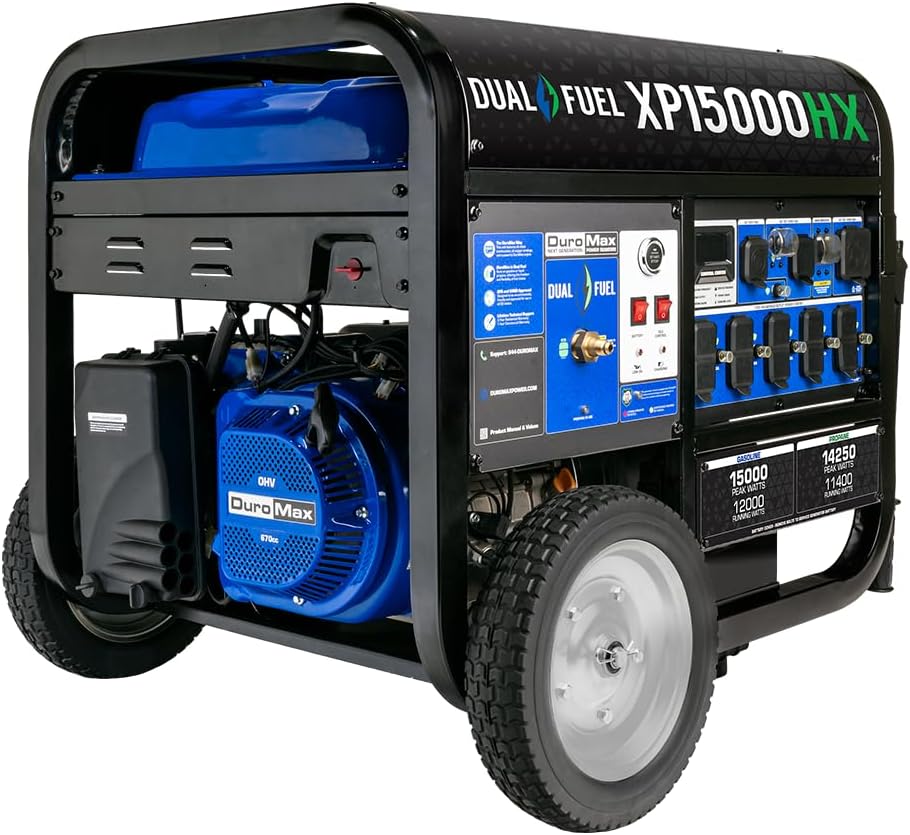
Portable power stations are silent, emission-free, require no fuel, and can be used indoors safely. However, they have limited capacity compared to gas generators and require recharging. Gas generators offer unlimited runtime (with fuel) and higher sustained output but are noisy, produce dangerous carbon monoxide, require maintenance, and can't be used indoors. For most residential backup and camping, power stations are the better choice; for construction sites or multi-day outages with heavy loads, gas generators still win.
| Power Station For Camping Near You | |
|---|---|
 |  |
| Get Amazon Special Offers | Get Walmart Special Offers |
You Might Also Like: