10 People Are Viewing This Product Right Now |
How Big of a Portable Generator to Run a House? A No-Nonsense Sizing Guide
Ever stood in your dark kitchen during a blackout, phone flashlight in your teeth, wondering exactly how big of a portable generator you need to run a house? You’re not alone. It’s one of those questions that seems simple until you actually try to answer it, and then suddenly you’re staring at spec sheets full of “running watts,” “surge watts,” and enough acronyms to make your head spin.
Why “How Big of a Portable Generator to Run a House” Isn’t a One-Size-Fits-All Question
Before we get into numbers, let’s address the elephant in the room: there’s no single magic wattage that works for every home. A one-bedroom bungalow with gas heat has completely different needs than a four-bedroom house running central air and an electric well pump. So when people ask how big of a portable generator to run a house, the honest answer is “it depends,” but it depends on things you can actually measure, not mysterious forces beyond your control.
Think of your home’s electrical demand like a grocery bill. Some households need a cart full of groceries every week (big appliances, lots of people), and others get by with a small basket (efficient appliances, minimal must-haves). Your generator size should match your grocery list, not your neighbor’s.
Running Watts vs. Starting Watts: The Two Numbers That Actually Matter
If you remember nothing else from this article, remember this distinction, because it trips up almost everyone shopping for a portable generator for house backup.
- Running watts (rated watts): the steady amount of power an appliance uses once it’s already on.
- Starting watts (surge watts): the short burst of extra power many motor-driven appliances need for a second or two when they first kick on.
A refrigerator might run at 700 watts but demand 2,200 watts for that first instant. Multiply that across a fridge, a sump pump, and an air conditioner starting up at nearly the same moment, and you can see why undersizing a generator leads to tripped breakers and stalled motors. When people ask what size portable generator runs a house, they’re often only thinking about running watts, but starting watts are usually the real bottleneck.


Step One: List Every Appliance You Actually Want to Power
Grab a notepad (or the notes app on your phone) and walk through your house room by room. You’re not sizing for “everything”; you’re sizing for what matters during an outage. Ask yourself: what would genuinely make a blackout bearable versus miserable?
Typical must-haves people include when figuring out how big of a generator to run a house:
- Refrigerator and freezer
- A handful of LED lights
- Wi-Fi router and modem
- Sump pump or well pump
- Furnace blower motor (for gas heat)
- Window air conditioner or portable AC unit
- Phone and laptop chargers
- A TV, if you want to keep some normalcy going
Notice central air conditioning, electric water heaters, and electric ranges aren’t on that list. Those are massive power hogs that usually push you out of “portable generator” territory and into whole-house standby generator territory; more on that trade-off later.
Step Two: Add Up the Running Watts
Once you’ve got your list, jot down the running wattage for each item. You can usually find this on an appliance’s data plate, in the owner’s manual, or with a quick search of the model number. Here’s a rough reference table to get you started (actual numbers vary by model, so always double-check your own appliances):
| Appliance | Typical Running Watts | Typical Starting Watts |
|---|---|---|
| Refrigerator/Freezer | 600–800 | 1,800–2,200 |
| Sump Pump (1/3 HP) | 800–1,050 | 1,300–2,150 |
| Well Pump (1/2 HP) | 1,000–1,500 | 2,000–3,000 |
| Furnace Blower Fan | 500–800 | 1,000–2,350 |
| Window AC Unit (10,000 BTU) | 1,200 | 3,600 |
| Microwave | 1,000–1,500 | negligible |
| LED Lighting (per bulb) | 8–12 | negligible |
| Wi-Fi Router/Modem | 15–30 | negligible |
| Laptop Charger | 60–90 | negligible |
| TV (LED, 50″) | 100–150 | negligible |
| Space Heater | 1,500 | negligible |
Add up the running watts of everything you plan to run simultaneously. That total is your baseline load, the steady demand your generator has to sustain hour after hour.
Step Three: Factor In the Startup Surge
Now here’s where it gets a little more nuanced. You don’t add up every single appliance’s starting watts; that would wildly overestimate your needs. Instead, take your total running watts and add the single highest starting-watt spike from your list (usually the AC unit, well pump, or furnace blower), since it’s rare for multiple large motors to start at the exact same split second.
So the rough formula for figuring out how big of a portable generator to run a house looks like this:
Total Running Watts (everything at once) + Highest Single Starting Watt Spike = Minimum Generator Size
Then, add a 10–20% cushion on top. Generators lose some efficiency at high altitude, in hot weather, and as they age, so that buffer isn’t overkill; it’s just realistic engineering common sense.

Real-World Example: Sizing a Portable Generator for a Small House
Let’s put this into practice with a modest three-bedroom home running on gas heat.
- Refrigerator: 700 running / 2,200 starting
- Sump pump: 1,000 running / 2,000 starting
- Furnace blower: 700 running / 1,400 starting
- Six LED lights: 60 running total
- Wi-Fi router: 20 running
- Laptop + phone chargers: 150 running
- TV: 120 running
Total running watts: 700 + 1,000 + 700 + 60 + 20 + 150 + 120 = 2,750 watts
Highest single starting spike (sump pump): 2,000 watts
Rough total: 2,750 + 2,000 = 4,750 watts, plus a 15% cushion = roughly 5,460 watts
So for this household, a portable generator in the 5,500–6,500 watt range would comfortably cover essentials with some breathing room. This is a great illustration of why the answer to “how big of a portable generator to run a house” so often lands in the 5,000–8,000 watt neighborhood for a modest, essentials-only setup.
What Size Portable Generator Do You Need Based on Home Size?
Square footage alone doesn’t determine generator size; appliance choices matter far more, but it’s a useful starting point for ballparking, especially if you haven’t done a detailed inventory yet.
| Home Size | Typical Essentials-Only Load | Suggested Portable Generator Size |
|---|---|---|
| Under 1,500 sq ft | Fridge, lights, router, small pump | 3,500–5,000 watts |
| 1,500–2,500 sq ft | Fridge, furnace blower, sump pump, some lighting | 5,000–7,500 watts |
| 2,500–3,500 sq ft | Above plus window AC or two, more circuits | 7,500–10,000 watts |
| Over 3,500 sq ft, no central AC | Multiple large appliances, extended coverage | 10,000–12,000 watts |
| Any size with central AC or electric heat | Central AC compressor, electric furnace | Usually exceeds portable range; consider a standby generator |
Notice the pattern: once central air conditioning or electric heating enters the picture, portable generators start to strain, and that’s exactly where the top-ranking guides on this topic tend to steer readers toward whole-house standby units instead.
Portable Generator vs. Whole House Standby Generator: Which One Actually Fits?
This is a question that comes up constantly, and it’s worth tackling head-on rather than dancing around it.
| Feature | Portable Generator | Whole House Standby Generator |
|---|---|---|
| Typical Wattage Range | 1,000–12,000+ watts | 8,500–26,000+ watts |
| Installation | None required (use with transfer switch) | Professional installation required |
| Fuel Type | Gasoline, propane, or dual-fuel | Natural gas or propane, hardwired |
| Startup | Manual | Automatic within seconds |
| Mobility | Fully portable | Permanently fixed outside home |
| Upfront Cost | Lower | Significantly higher |
| Best For | Short outages, essential circuits | Long outages, full-home coverage |
If you’re the type who’s fine losing central air for a day or two but wants the fridge, lights, and internet running, a portable generator sized in the 5,000–10,000 watt range does the job beautifully. If you live somewhere with frequent multi-day outages and can’t tolerate losing HVAC, a standby system might genuinely be worth the investment.
Why Fuel Type Changes the Sizing Conversation
Not all portable generators are created equal once you factor in fuel. Gasoline units are widely available and generally cheaper per watt, but gas degrades over time and can be scarce during regional emergencies. Propane burns cleaner and stores indefinitely, but propane generators often produce slightly less output than their gasoline-rated equivalent at the same physical size.
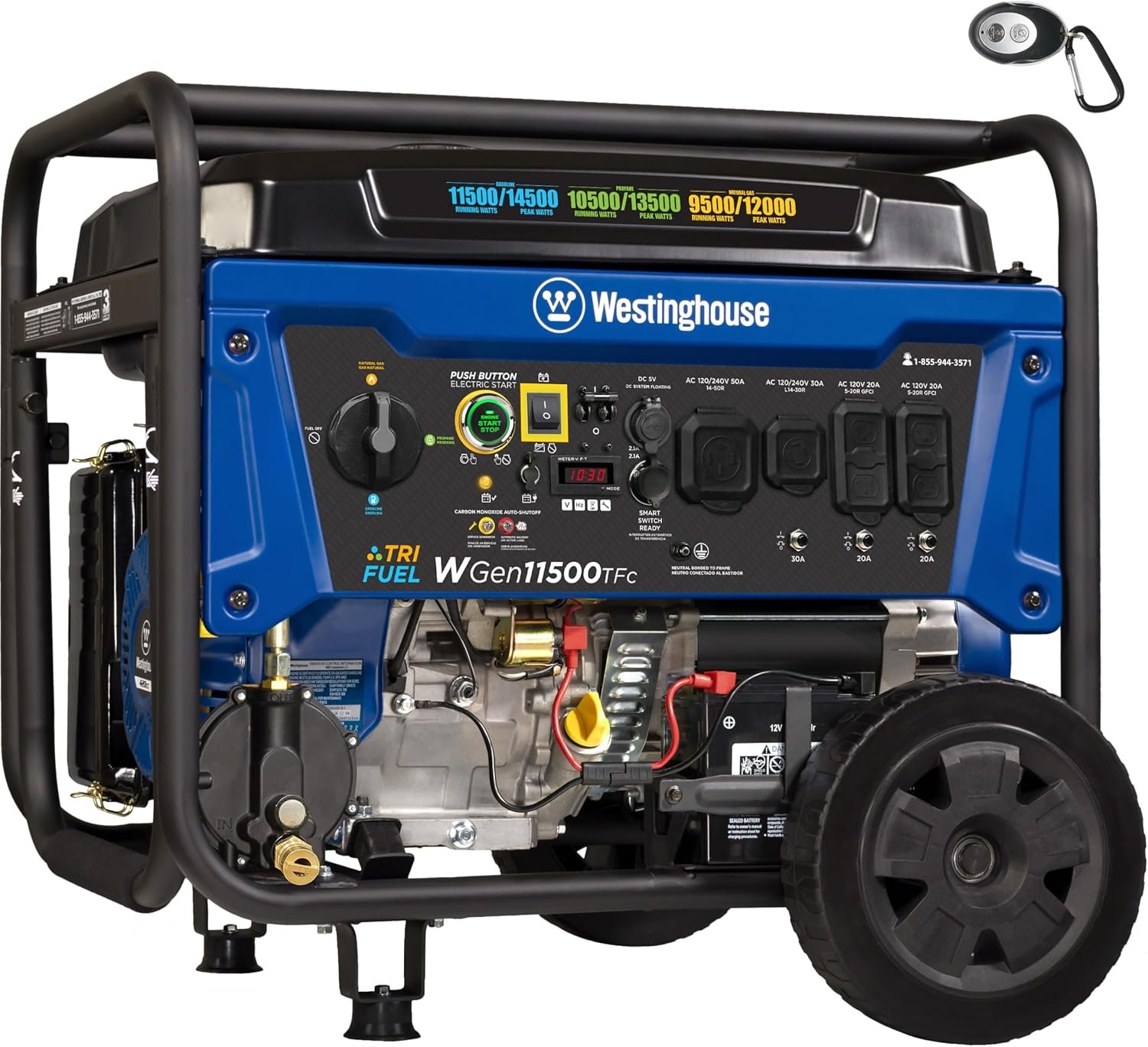
Dual-fuel and tri-fuel models give you flexibility, letting you switch between gasoline, propane, or natural gas depending on what’s available, a smart hedge when you’re not sure how big of a generator emergency you might be facing. If fuel flexibility matters to you, it’s worth sizing slightly larger than the bare minimum, since propane conversion can shave off 10–15% of a generator’s rated output.
Don’t Forget the Transfer Switch (Seriously, Don’t Skip This)
Here’s a safety point that too many guides bury at the bottom, but it deserves top billing: you cannot simply plug a portable generator into a wall outlet to power your house. Doing so risks “backfeeding” electricity into the grid, which can electrocute utility workers repairing the very lines that knocked your power out in the first place—a genuinely dangerous and, in most places, illegal practice.
Instead, you need either:
- A manual transfer switch, installed by a licensed electrician, which lets you pick which circuits draw from the generator, or
- An interlock kit, a more budget-friendly device that physically prevents your generator and the utility grid from being connected simultaneously.
Sizing your generator properly and pairing it with a transfer switch is really a two-part project, not a single purchase.
Placement and Ventilation: The Part Everyone Underestimates
Even the perfectly sized portable generator becomes dangerous if it’s used incorrectly. Carbon monoxide from generator exhaust is invisible, odorless, and deadly; it’s genuinely one of the most common causes of accidental poisoning during storm season. Generators need to run outdoors, well away from windows, doors, and vents, with the exhaust directed away from the house. Think of your generator like a campfire: fantastic outside, absolutely not something you bring indoors for convenience.
Inverter Generators vs. Conventional Generators for Home Backup
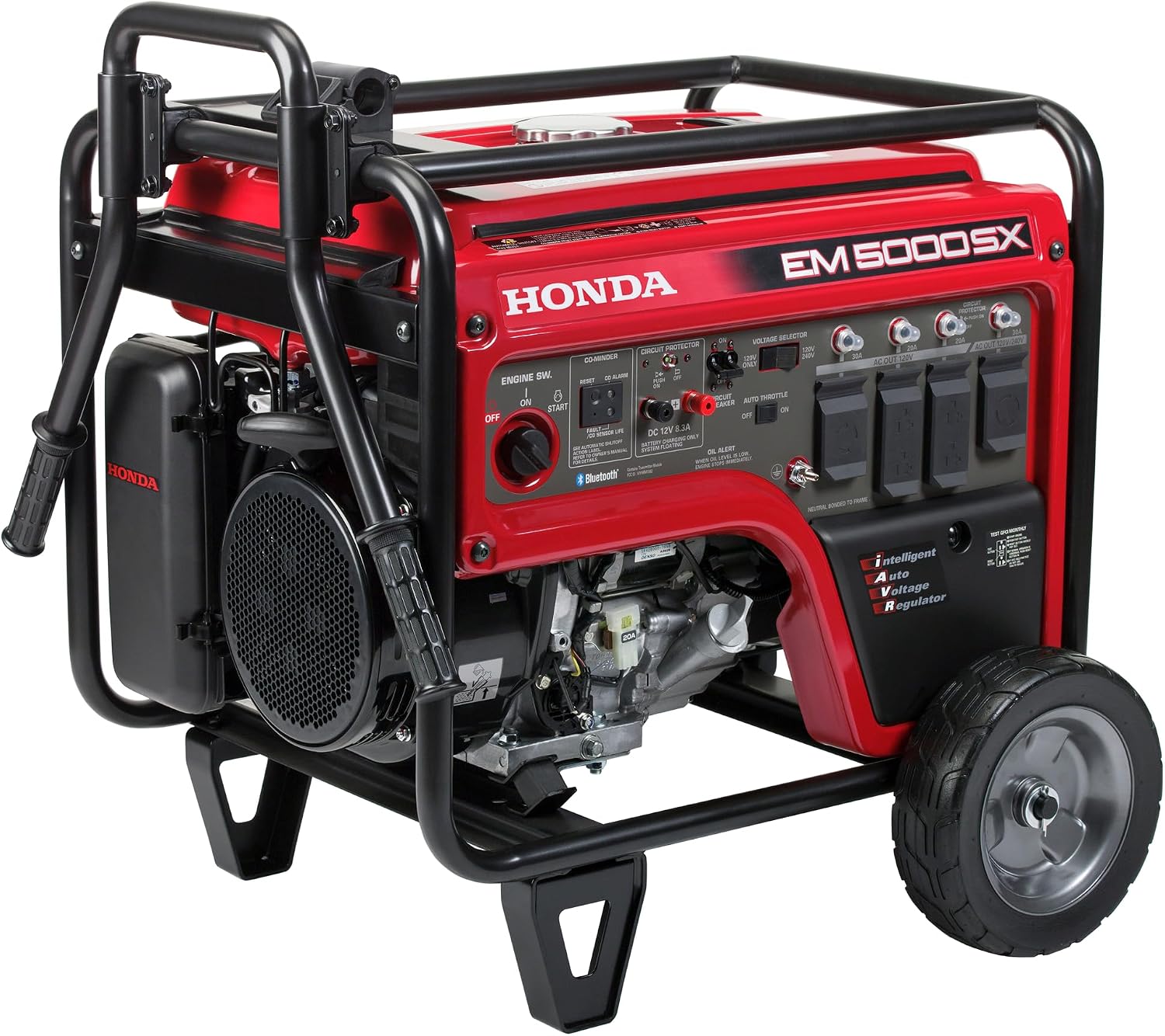
If quiet operation and clean power for sensitive electronics matter to you, inverter generators are worth a look. They produce a steadier sine wave (safer for laptops, medical equipment, and modern appliances with circuit boards) and typically run quieter than conventional generators.
The trade-off? Inverter models tend to top out around 4,000–7,000 watts for portable units, while conventional generators scale up more affordably into the 10,000+ watt range. If your essentials list is modest, an inverter generator might be all the “big” you actually need.
Solar Generators and Portable Power Stations: A Different Kind of “Big”
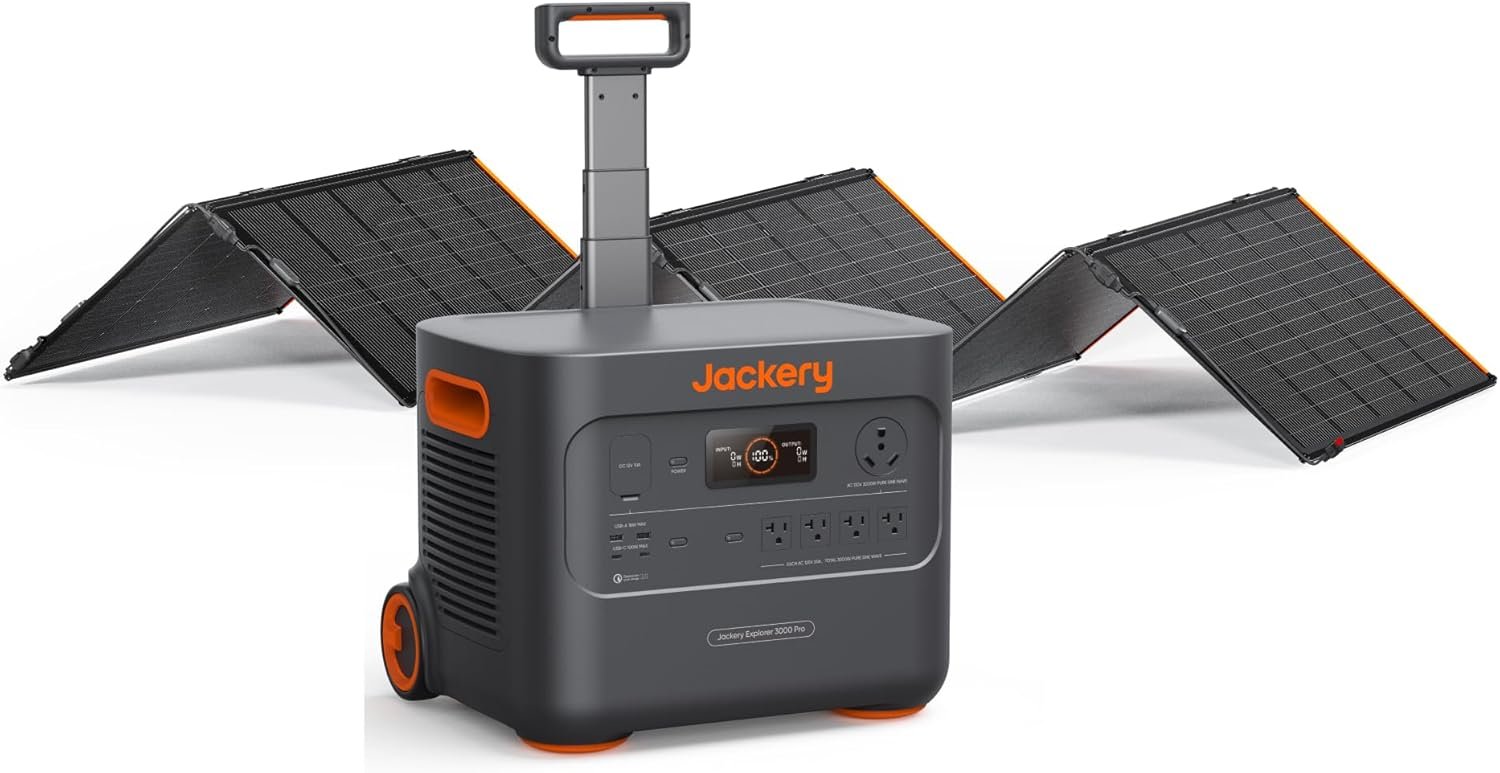
It’s worth addressing solar-powered portable power stations separately, since they get lumped into generator conversations constantly. Most mainstream units on the market range from roughly 1,000 to 3,600 watts of continuous output, with larger stackable systems reaching higher.
They’re wonderfully quiet, fume-free, and safe to use indoors, but they’re generally better suited for charging devices, running a few lights, and keeping a small fridge alive rather than powering an entire home’s essential circuit panel for days on end, unless paired with solar panels and substantial battery capacity for recharging.

Common Sizing Mistakes That Leave People in the Dark
- Sizing only by running watts and ignoring startup surge: this is the single most common mistake.
- Sizing by square footage alone: a small house with a well pump can need more power than a bigger house on municipal water.
- Assuming “bigger is always better”: oversized generators burn more fuel, cost more, and are heavier to move.
- Forgetting a transfer switch or interlock: a properly sized generator with no safe hookup method is still stuck powering extension cords.
- Ignoring altitude and temperature: generators lose roughly 3–4% of output per 1,000 feet of elevation gain.
A Quick Buyer’s Checklist Before You Purchase
- Total up your must-have appliances’ running watts
- Identify your single highest starting-watt appliance
- Add a 15–20% safety cushion
- Decide on gasoline, propane, dual-fuel, or inverter based on your priorities
- Budget for a transfer switch or interlock kit installed by a licensed electrician
- Plan an outdoor location at least 20 feet from doors, windows, and vents
Conclusion
So, how big of a portable generator do you need to run a house? For most households sticking to true essentials—fridge, lights, Wi-Fi, a sump or well pump, and a furnace blower—something in the 5,000 to 8,500 watt range comfortably covers the bases, provided you’ve done the math on your specific appliances rather than guessing.
Bigger homes, central air conditioning, or electric heating push you toward either a larger portable unit in the 10,000+ watt class or, more realistically, a whole-house standby generator installed by a professional. The real trick isn’t finding the “best” generator size in the abstract; it’s matching the generator to your actual list of must-run appliances, respecting startup surge, and pairing it with a proper transfer switch so you’re using it safely.
Do that homework once, and you’ll never have to fumble around in the dark wondering if you sized things right.
| Power Station for Camping Near You | |
|---|---|
 |  |
| Get Amazon Special Offers | Get Walmart Special Offers |
You Might Also Like: