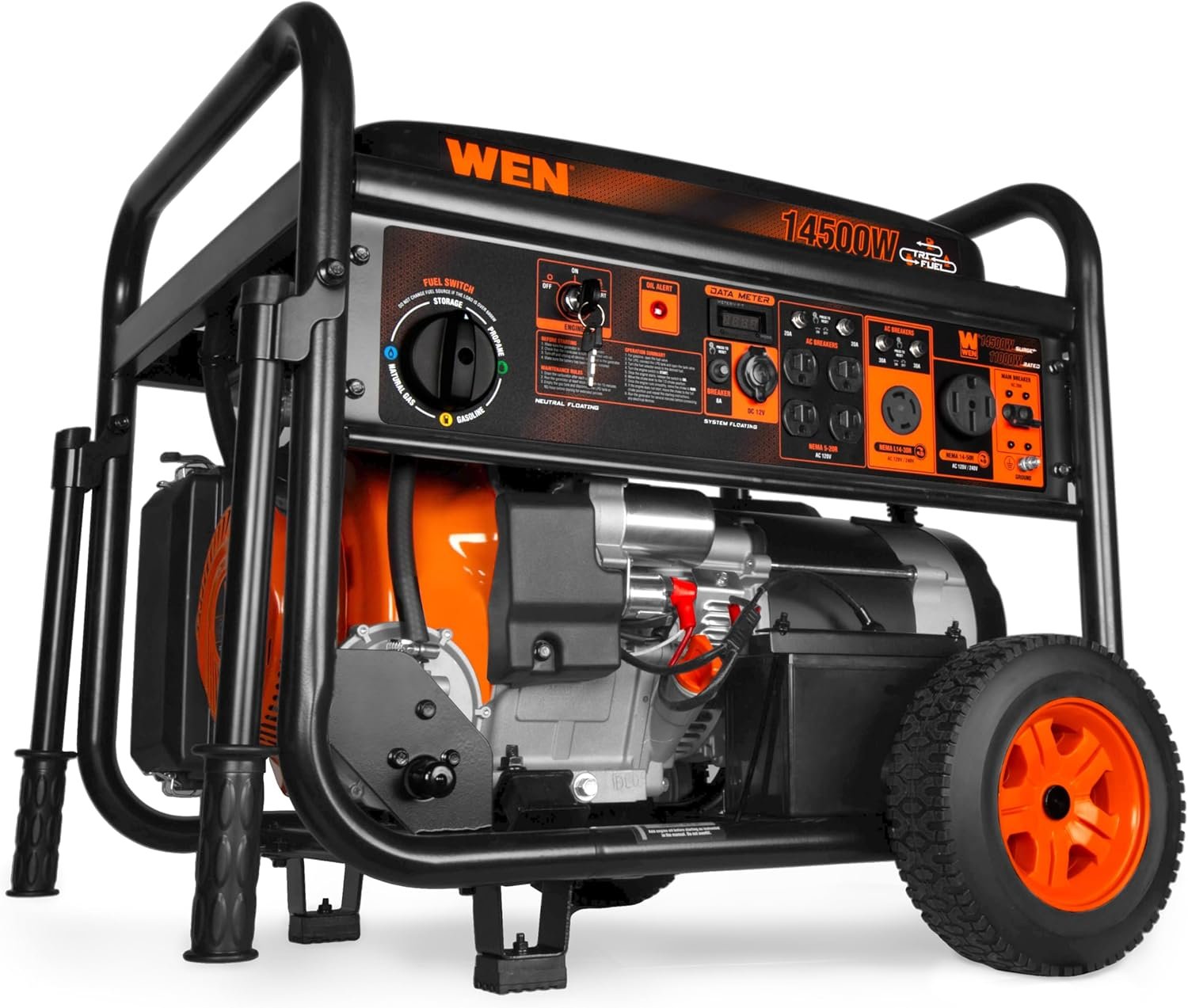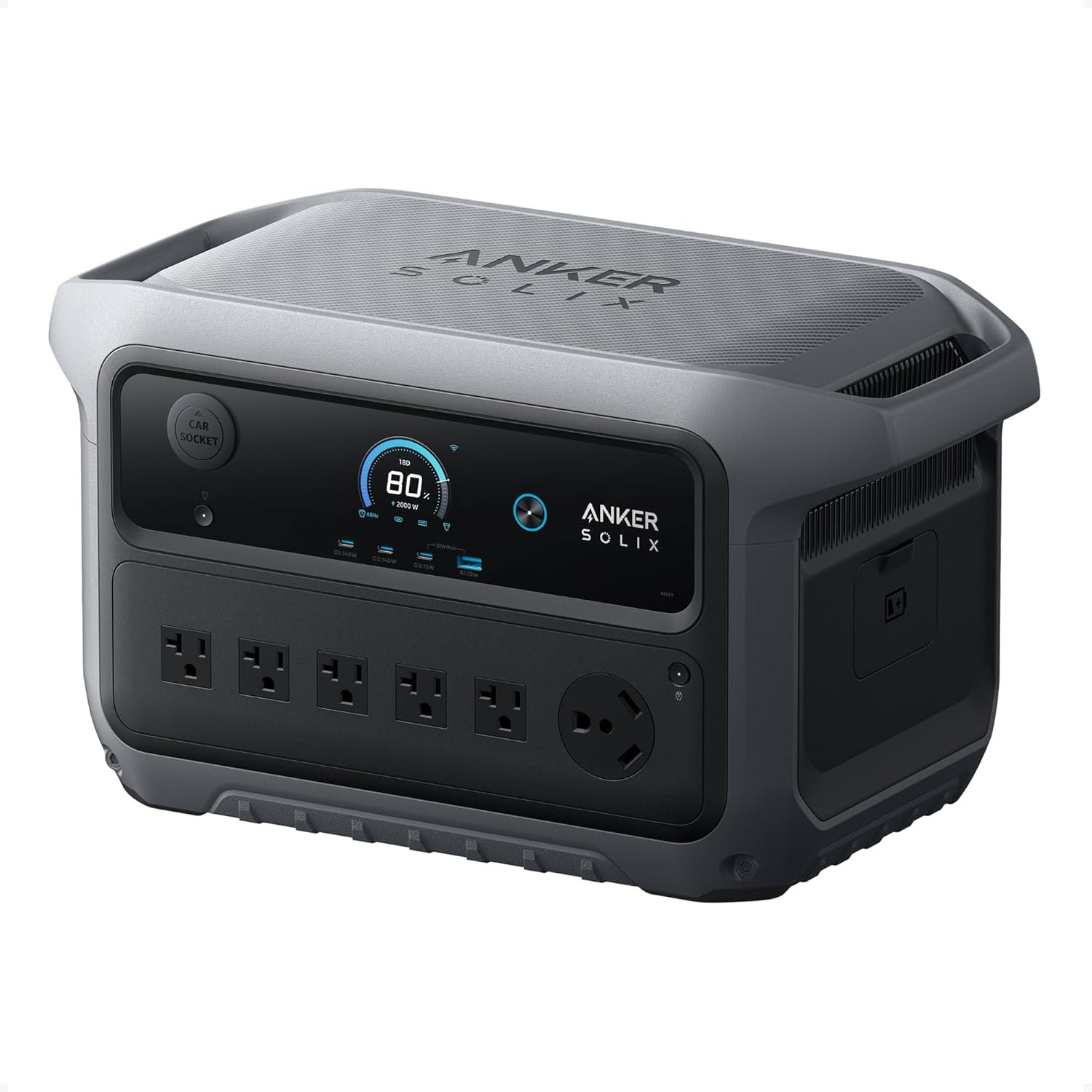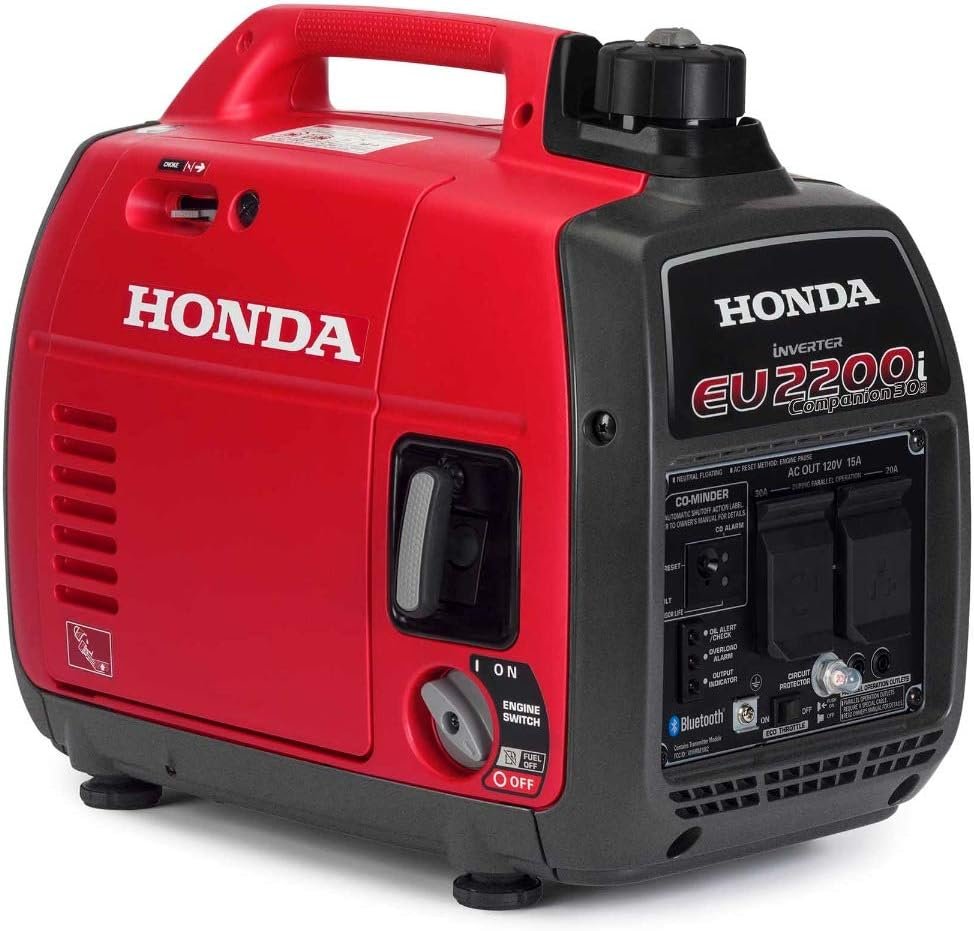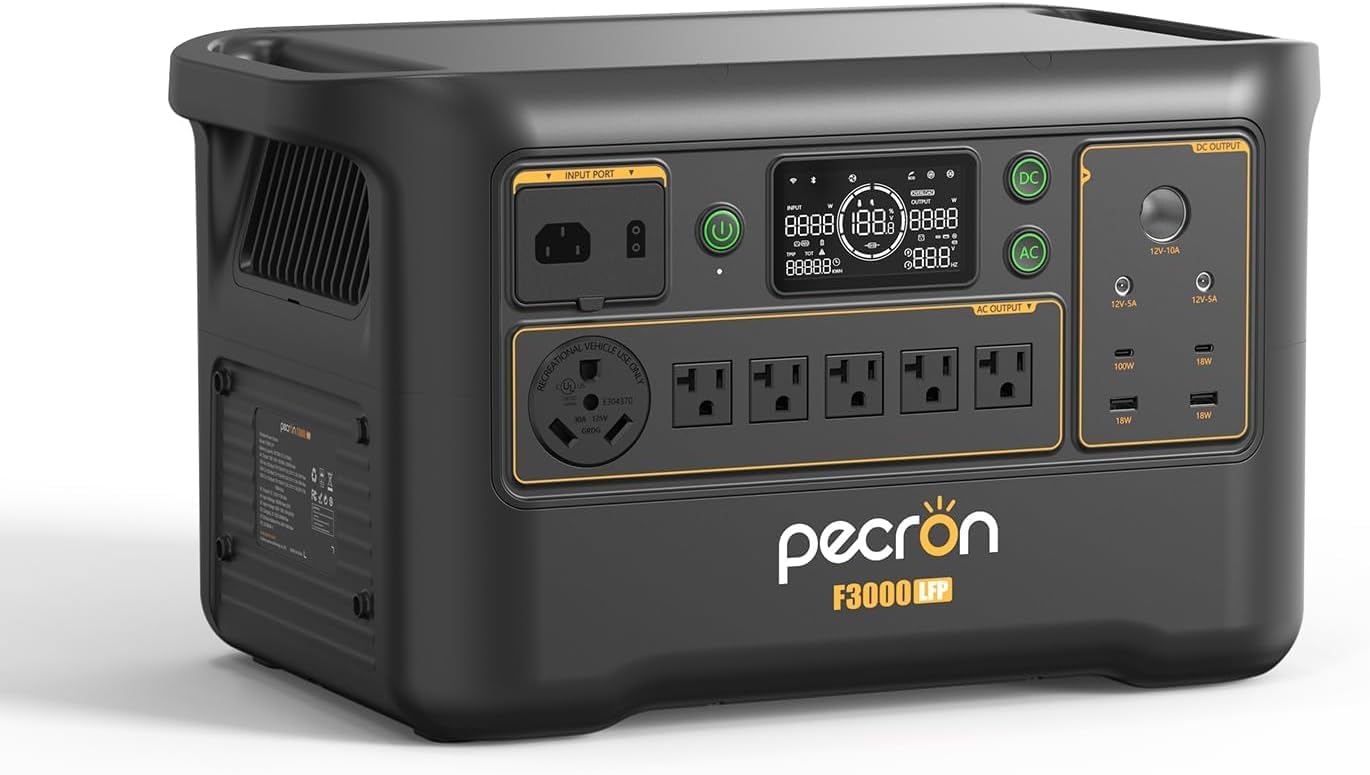
| 10 People Are Viewing This Product Right Now |
Can a Solar Generator Run a House? A Complete Sizing, Runtime & Buying Guide for 2026
The short answer is yes—but with a big asterisk. A solar generator can absolutely power a house, but only if it’s sized correctly for your specific energy needs. Think of it like trying to fill a swimming pool with a garden hose. It works, but you need the right hose, enough water pressure, and patience.
Can a Solar Generator Run a House?
Solar Generator For House – A whole-house solar generator combines solar panels, a battery storage unit, and an inverter to capture, store, and convert sunlight into usable AC power.
Unlike gas generators that roar to life with a pull cord and a cloud of fumes, solar generators are silent, emission-free, and recharge themselves when the sun comes out. But here’s the catch: your average portable solar generator won’t run your central AC, electric dryer, and every light in the house simultaneously. You need serious capacity for that.
For a typical home, we’re talking about systems ranging from 3,000W for essential backup to 6,000W+ with expandable battery banks for whole-house coverage. Small apartments might get by with 3–5 kW systems; average two-bedroom homes typically need 5–7.5 kW, and larger family homes often require 7.5–10 kW or more with sufficient battery storage.
So yes, a solar generator can run your house—but it’s all about matching the system to your actual power appetite.


How Big of a Solar Generator Do I Need to Run a House?
This is the million-dollar question, and the answer isn’t one-size-fits-all. It’s like asking, “What size truck do I need?” Well, are you hauling a few bags of mulch or a full construction load?
1. Calculating Your Home’s Power Appetite
Start by listing everything you can’t live without during an outage. For most families, that’s the refrigerator, a few lights, the Wi-Fi router, maybe a microwave, and possibly a window AC unit or furnace fan. Each of these has two power numbers you need to know:
- Running watts: The steady power an appliance uses while operating
- Starting watts: The surge of power needed to kick-start motors (this can be 2-3x the running watts)
For example, your fridge might run on 200W but needs 1,200W to start its compressor. Your furnace fan might pull 600W continuously but surge to 1,800W on startup. Miss that surge requirement, and your generator will trip offline just when you need it most.
2. Sizing Guidelines by Home Type
Here’s a practical breakdown based on typical usage:
| Home Type | Generator Size | What It Powers |
|---|---|---|
| Small apartment/condo | 3,000–5,000W | Essentials: fridge, lights, router, phone charging |
| Average 2-bedroom home | 5,000–7,500W | Essentials + microwave, TV, window AC |
| Large family home (2,000+ sq ft) | 7,500–10,000W+ | Most appliances, including the well pump and central AC |
| Whole-house off-grid | 10,000–24,000W | Everything, including HVAC, electric water heater |
For a 2,000 square foot house specifically, you’re looking at needing roughly 15,000 watts (15 kW) for whole-house backup if you want to power everything without thinking about it. If you’re okay with selective loads—say, just the essentials plus a few conveniences—a 5,000–7,500W solar generator with adequate battery storage can keep you comfortable.
The golden rule? Size for your peak demand, not your average. It’s better to have 20% more capacity than you think you need than to discover you’re 500 watts short when a storm hits.
How Long Will a Solar Generator Run a House?
“How long will it last?” is usually the next question after “Will it work?” And honestly, it’s a bit like asking how long a tank of gas lasts—it depends entirely on how heavy your foot is on the accelerator.
1. The Runtime Formula
Here’s the simple math that determines your runtime:
Runtime (hours) = Battery Capacity (Wh) × Inverter Efficiency ÷ Total Load (W)
Most inverters operate at about 85% efficiency, meaning some energy gets lost as heat during the DC-to-AC conversion. So a 2,000Wh battery really gives you about 1,700Wh of usable AC power.
Let’s say you have a 3,000W solar generator with a 2,048Wh battery (a common configuration for mid-range units). Here’s how the runtime breaks down in real-world scenarios:
| What You’re Running | Total Load | Estimated Runtime |
|---|---|---|
| Fridge (150W) + lights/router (50W) | 200W | ~8.7 hours |
| Microwave (1,000W) + hair dryer (1,500W) | 2,500W | ~42 minutes |
| Just phones, laptops, and LED lights | 50W | ~35 hours |
2. The Solar Recharge Factor
But wait—there’s a plot twist. Unlike a gas generator that runs until the tank is empty, a solar generator can recharge while it’s working. If you’ve got panels pulling in 800W of sunshine and you’re only using 600W of power, your battery isn’t draining at all. You’re essentially running on live solar power.
This is where solar generators shine (pun intended). During a multi-day outage with decent sun, a properly sized system with enough panels can theoretically run indefinitely. Without the sun? You’re on battery time, and that clock ticks faster the more you demand.
What Are the Disadvantages of a Solar Generator?
Let’s be real—solar generators aren’t magic. They have limitations, and understanding them upfront saves you from disappointment later.
1. The Price Tag Stings Upfront
The biggest hurdle for most people is cost. A quality solar generator system that can actually power your home starts around $2,000–$3,000 for basic essentials and can climb to $10,000–$15,000 for whole-house coverage with expandable batteries. Compare that to a $500 gas generator, and the sticker shock is real.
But here’s the thing: that gas generator keeps costing you. Fuel, oil changes, spark plugs, storage hassles—it adds up. A solar generator’s “fuel” is free sunshine, and maintenance is basically wiping dust off the panels. Over 10–15 years, the math often flips in solar’s favor.
2. Slow Recharging Compared to Gas
Filling a gas tank takes five minutes. Recharging a solar generator from empty? That can take 4–8 hours of good sunlight or 1–2 hours if you’re plugged into AC wall power. If you’re in a cloudy region or facing a week of storms, this becomes a real constraint.
3. Limited Power Supply
Even the beefiest portable solar generators cap out around 3,000–4,000W of continuous output. That’s plenty for essentials, but it won’t run your central air conditioner, electric stove, and clothes dryer all at once. For whole-house power, you need stationary systems like the EcoFlow DELTA Pro Ultra or Anker SOLIX E10, which can scale to 10+ kW with expandable battery modules.
4. Weather Dependency
No sun, no charge. It’s that simple. During a hurricane with days of cloud cover, your solar panels might only trickle-charge the battery. This is why many serious preppers pair solar generators with grid charging or even a small gas generator as a backup-to-the-backup.
How Big Is a Generator for a 2,000 sq. ft. house?
If you’ve got a 2,000-square-foot home, you’re in that awkward middle ground—not tiny, not mansion-sized, but definitely power-hungry when everything’s running.
1. The Wattage Breakdown
For a house this size, your critical loads (the stuff you absolutely need during an outage) typically add up to:
- Refrigerator/freezer: 600–800W running / 1,200–1,600W starting
- Furnace fan: 600W running / 1,800W starting
- Lights (10 LEDs): ~100W
- Well pump or sump pump: 1,000–1,500W running / 2,000–3,000W starting
- Outlets for charging/essentials: ~400W
That’s roughly 4,000–5,000W of running power, with starting surges potentially hitting 6,000–10,000W.
2. My Recommendation for a 2,000 Sq Ft Home
For critical loads only: A 5,000–7,500W solar generator with at least 5 kWh of battery storage. This keeps your fridge cold, your lights on, and your phones charged for a day or two.
For whole-house backup: You need 15,000–20,000W (15–20 kW) of capacity. At this level, you’re looking at stationary home backup systems like the EcoFlow OCEAN Pro or Tesla Powerwall installations, not portable units.
Think of it this way: a portable solar generator is like a Swiss Army knife—versatile and handy, but you wouldn’t use it to build a house. For whole-home power, you need the toolbox.
What Should You Not Plug Into a Generator?
This section could save your appliances—or your life. Not everything plays nice with generator power, and some combinations are downright dangerous.
1. The Absolute “Don’t Even Think About It” List
Never plug a generator into a wall outlet. This practice, called backfeeding, sends power backward through your home’s wiring and out to utility lines. It can electrocute utility workers repairing the grid and bypass your home’s safety breakers. It’s illegal in most places and incredibly dangerous.
Never run a gas generator indoors or in enclosed spaces. Carbon monoxide is odorless, colorless, and deadly. Every year, people die from running generators in garages, basements, or even on porches. Keep it at least 20 feet from your house with the exhaust pointed away.
2. Appliances to Avoid on Small Generators
- Space heaters (1,500–2,000W): They’ll drain your battery in hours
- Electric water heaters (4,000–5,500W): Too power-hungry for most portable units
- Central AC units (3,000–5,000W+ starting surge): Need serious capacity
- Electric dryers (5,000W+): Forget about it unless you’ve got 10+ kW
3. Sensitive Electronics and Inverters
Here’s where it gets technical. Not all generator power is created equal.
- Modified sine wave inverters (cheaper): Can damage or cause buzzing in medical equipment, laser printers, high-end audio gear, and anything with a digital touchscreen. CPAP machines for sleep apnea? Absolutely not on modified sine wave.
- Pure sine wave inverters (standard in quality solar generators) produce clean power identical to grid electricity. Safe for everything, including your sensitive electronics.
If you’re powering a home office with computers, monitors, and networking gear, pure sine wave isn’t optional—it’s mandatory.

How Long Will a 3,000-Watt Solar Generator Run?
A 3,000W solar generator is the sweet spot for many homeowners—powerful enough for real appliances but still portable and (somewhat) affordable. But how long does it actually last?
1. It Depends on Your Battery, Not Just the Wattage
The 3,000W rating tells you the maximum output the inverter can handle, not how long it can sustain that load. Runtime is all about battery capacity, measured in watt-hours (Wh).
A typical 3,000W solar generator pairs with a 2,000–4,000Wh battery. Let’s use 2,048Wh as our example (common in models like the EcoFlow DELTA 3 Max Plus). At 85% inverter efficiency, you get about 1,741Wh of usable power.
| Scenario | Load | Runtime |
|---|---|---|
| Essentials only (fridge + lights + router) | 200W | ~8.7 hours |
| Heavy use (microwave + coffee maker) | 2,500W | ~42 minutes |
| Minimal use (phones, laptop, LED lights) | 50W | ~35 hours |
2. The Solar Multiplier
Now, add panels. If you’re pulling in 1,000W of solar input on a sunny day and using 800W of power, your net battery drain is only 200W. That stretches your 8.7 hours of essentials into days. This is why solar input capacity matters just as much as battery size.
How Big of a Battery Do I Need to Run a 3,000W Inverter?
Running a 3,000W inverter is like asking a battery to sprint a marathon—it needs serious capacity to keep up.
1. The Math Behind Battery Sizing
First, account for inverter inefficiency. A 3,000W inverter at 90% efficiency actually draws about 3,333W from the batteries.
For 2 hours of runtime at 50% depth of discharge:
| System Voltage | Current Draw | Battery Capacity Needed | 200Ah Batteries Required |
|---|---|---|---|
| 12V | 278A | 1,111Ah | 6 batteries |
| 24V | 139A | 556Ah | 3 pairs in series |
| 48V | 69A | 278Ah | 2 sets in series |
The lesson here? Higher voltage systems are your friend. A 48V setup uses half the current of a 24V system, which means thinner wires, less heat loss, and fewer batteries. Most modern solar generators use 48V or higher internal architecture for exactly this reason.
For practical purposes, if you want to run a 3,000W inverter for any meaningful duration, you need at least 2,000–4,000Wh of battery capacity. Less than that, and you’ll be recharging every few hours.
What Can a 3,000-Watt Solar Generator Power?
A 3,000W solar generator is the utility player of the backup power world—not specialized, but surprisingly versatile. Here’s what it can handle:
1. Household Appliances
- Refrigerator: 150–800W running (yes, easily)
- Microwave: 800–1,500W (short bursts only)
- Coffee maker: 800–1,500W
- TV: 100–400W
- LED lights: 5–100W each
- Laptop charger: 50–150W
- Wi-Fi router/modem: 20–40W
2. Power Tools (Great for Job Sites)
- Circular saw: 1,200–1,800W
- Drill: 600–1,200W
- Air compressor: 1,000–2,000W
3. What It Can’t Do
- Run central AC (needs 3,000–5,000W+ starting surge)
- Power an electric water heater (4,000W+)
- Run multiple high-wattage appliances simultaneously
Think of a 3,000W solar generator as your “essential comfort” machine. It won’t power your entire house as if nothing happened, but it’ll keep the important stuff running while the grid sorts itself out.
How Long Will a 3,000-Watt Generator Run on a Gallon of Gas?
Wait, didn’t we just talk about solar generators? Yes, but this question comes up constantly because people compare solar and gas generators head-to-head. Let’s look at the gas side for context.
1. Gas Generator Fuel Consumption
A typical 3,000W gas generator burns roughly 0.4–0.6 gallons per hour at 50% load (1,500W). At 25% load (750W), it might drop to 0.3–0.4 gallons per hour.
So on one gallon of gas:
- At 50% load: roughly 1.7–2.5 hours
- At 25% load: roughly 2.5–3.3 hours
2. The Hidden Costs
Gas goes stale after 3–6 months. Storage is a fire hazard. During a major outage, gas stations might be closed or rationing. And at $3–$4 per gallon, running a gas generator for a week-long outage can cost hundreds of dollars.
A solar generator, by contrast, costs nothing to “refuel” once you’ve bought the system. The sun doesn’t send you a bill.
What Can I Run in My House With a 3,000-Watt Generator?
This is the practical question every homeowner asks. “Okay, 3,000 watts sounds good, but what does that actually mean in my kitchen and living room?”
Here’s a realistic outage scenario for a 3,000W generator:
1. Simultaneous load example:
- Refrigerator: 200W running
- LED lights (5 bulbs): 50W
- Wi-Fi router: 25W
- TV: 150W
- Phone/laptop chargers: 100W
- Total: 525W
At this load, a 2,000Wh solar generator runs for about 3.3 hours on battery alone. Add 400W of solar panels in decent sun, and you’re essentially running indefinitely during daylight hours.
2. Want to use the microwave? (1,000W)
- Turn off the TV and unnecessary lights
- Run the microwave for 3 minutes
- Total momentary load: ~1,275W (well within 3,000W limit)
- Battery impact: Minimal for short bursts
The strategy during an outage is load management, not load everything. Run high-wattage devices one at a time, keep the “always-on” stuff efficient, and let your solar panels do the heavy lifting during the day.

How Many Solar Panels for a 3,000-watt inverter with battery?
This is where your solar generator transforms from a big battery into a true renewable power system.
1. The Panel Math
For a 3,000W inverter, you have two approaches:
- Standard match: 3,000W of solar panels (about ten 300W panels)
- Overclocking (recommended): Up to 3,900W of panels (130% of inverter capacity). This accounts for real-world losses from heat, dust, suboptimal angles, and cloudy moments. Most inverters can handle this oversizing without issue.
2. Real-World Considerations
- Panel efficiency: Higher-efficiency panels (20%+) produce more power per square foot, meaning fewer panels on your roof
- Peak sun hours: Arizona gets 5.5+ peak hours; Seattle gets 3.5. Same panels, very different daily output
- Shading: One shaded panel can drag down your whole string if not using microinverters or power optimizers
For a 3,000W inverter with battery storage, I’d recommend 10–13 panels of 300–400W each. That gives you 3,000–5,200W of solar capacity, enough to recharge a 2,000Wh battery in 2–4 hours of good sun and keep your essentials running during the day.
What Should You Not Plug Into an Inverter?
Inverters convert DC battery power to AC household power, but they have limits and quirks.
1. The “Red Light” List
- Medical equipment: CPAP machines, oxygen concentrators, and other health devices need pure sine wave power. A modified sine wave can cause malfunction or damage. Some CPAP users report that their machines simply shut down on a modified sine wave.
- Laser printers: The precision heating elements conflict with stepped waveforms and can overheat.
- High-end audio/visual equipment: Expect buzzing, humming, or distorted output on a modified sine wave.
- Anything with a smart touchscreen or variable speed control: These devices read the “choppy” power as erratic signals and may fail to operate.
2. The “Yellow Light” List (Proceed with Caution)
- Basic refrigerators and box fans: They’ll run, but may buzz and run slightly hotter
- Microwaves: Will work but take longer to heat food
- Older power tools: Generally fine, but monitor for overheating
The bottom line? If you paid more than $500 for it and it has a circuit board, plug it into a pure sine wave only. Quality solar generators like the Jackery Explorer, EcoFlow DELTA, and Anker SOLIX lines all use pure sine wave inverters as standard.
Is It Worth Getting a Solar Generator?
Let’s cut through the marketing hype and talk real value.
1. When Solar Generators Shine
- Frequent short outages: If you lose power a few times a year for hours at a time, a solar generator is perfect
- Environmental concerns: Zero emissions, zero noise, zero fuel storage
- Long-term cost savings: After the upfront investment, operating costs are nearly zero
- Portability: Take it camping, to job sites, or loan it to a neighbor
- Low maintenance: No oil changes, no spark plugs, no carburetor cleaning
2. When Gas Generators Still Win
- Extended outages in cloudy weather: A gas generator runs regardless of weather
- Lower upfront budget: $500 vs. $3,000+ is a real difference
- Whole-house power: A 20kW standby generator costs less than a 20kW solar system
3. The Verdict
If you value silence, cleanliness, and long-term savings over raw power and low upfront cost, solar generators are absolutely worth it. Think of it as the difference between renting and owning. Gas generators are like renting—cheap to start, expensive forever. Solar generators are like owning—painful down payment, then years of free “rent.”
What Did Elon Musk Say About Solar Power?
Elon Musk has been banging the solar drum for years, and his quotes have become rallying cries for the renewable energy movement.
At the National Governors Association meeting back in 2017, Musk dropped this bombshell: “If you wanted to power the entire U.S. with solar panels, it would take a fairly small corner of Nevada or Texas or Utah; you only need about 100 miles by 100 miles of solar panels to power the entire United States.“
He doubled down at the 2026 World Economic Forum in Davos, telling BlackRock CEO Larry Fink: “So rough way is 100 miles by 100 miles—160 kilometers by 160 kilometers—of solar is enough to power the entire United States.” He added that the battery storage needed would only be about one square mile.
Musk’s other memorable zinger? *”We have this handy fusion reactor in the sky called the sun, you don’t have to do anything, it just works. It shows up every day.”*
Love him or hate him, the math checks out. The sun delivers more energy to Earth in an hour than humanity uses in an entire year. The challenge isn’t availability—it’s capture and storage.
Are Solar Generators Worth Buying?
This is a personal finance question, and the answer depends on your situation.
1. Cost-Benefit Reality Check
A quality solar generator system for home backup runs $2,000–$6,000 for essentials and $10,000+ for whole-house coverage. That’s not pocket change. But consider:
- No fuel costs ever: At $3/gallon and 0.5 gallons/hour, a gas generator costs $36/day to run continuously. A week-long outage? $250+ in fuel alone.
- No maintenance costs: Oil changes, spark plugs, carburetor cleaning, fuel stabilizer—none of that
- 10–15 year lifespan: Modern LiFePO4 batteries last 2,000–5,000+ cycles, which translates to a decade or more of use
Multiple use cases: Camping, tailgating, job sites, RVs—not just emergencies
2. The Break-Even Point
If you experience 2–3 multi-day outages per year or you live in an area with unreliable grid power, a solar generator pays for itself in avoided fuel costs, spoiled food, and hotel stays within 5–7 years. If your power almost never goes out, it’s more of an insurance policy than an investment.
How Long Will a Solar Generator Last?
This is where solar generators really separate themselves from gas units.
1. Battery Lifespan
Modern solar generators use LiFePO4 (lithium iron phosphate) batteries, which are the gold standard for longevity and safety. These batteries typically deliver:
- 2,000–5,000+ charge cycles at 100% depth of discharge
- 8,000+ cycles at lower depth of discharge (80% or less)
- 10–15 year calendar lifespan under normal conditions
Compare that to lead-acid batteries (300–500 cycles) or even standard lithium-ion (1,000–2,000 cycles), and LiFePO4 is the clear winner.
2. Solar Panel Lifespan
The panels themselves are incredibly durable. Most come with 20–25 year warranties and continue producing at 80%+ efficiency long after that. Some early solar installations from the 1980s are still cranking out power.
3. The Real-World Translation
If you use your solar generator for 200 cycles per year (roughly weekly discharge/recharge), a LiFePO4 battery with 3,000 cycles lasts about 15 years. Even heavy users at 500 cycles per year get 6+ years. And since most batteries are modular and replaceable, you’re not buying a whole new system when the battery eventually degrades.
How Long Will a 2,000 Watt Solar Generator Run a Refrigerator?
This is one of the most practical questions because, let’s face it, keeping food cold is priority #1 in an outage.
1. The Refrigerator Reality
A typical modern refrigerator uses 150–250W while running, but needs 1,000–1,800W to start the compressor. The compressor doesn’t run continuously—it cycles on and off based on temperature, typically running about 30–33% of the time in normal conditions.
So your “effective” power draw is roughly 50–80W averaged over time.
2. Runtime Calculation
A 2,000W solar generator with a 2,000Wh battery:
- Usable energy at 85% efficiency: 1,700Wh
- Effective fridge load: ~66W (200W running × 33% duty cycle)
- Runtime: approximately 25+ hours
Add solar panels recharging during the day, and you can stretch this to multiple days. A 200W solar panel in good sun adds about 800Wh per day—enough to offset the fridge’s daily consumption (~1.6 kWh) and then some.
Bottom line: Yes, a 2,000W solar generator can absolutely run a refrigerator. In fact, it’s one of the most common and reliable uses for these systems.
What Size Solar Generator Is Needed to Run a Refrigerator?
The minimum viable solar generator for refrigerator backup is about 1,000–1,500W of output with 1,000Wh+ of battery. But that’s cutting it close.
For comfortable, worry-free operation, I recommend:
| Scenario | Recommended Size | Battery Capacity |
|---|---|---|
| Fridge only, short outages | 1,500W | 1,000–1,500Wh |
| Fridge + lights + router | 2,000W | 2,000Wh |
| Fridge + multiple essentials | 3,000W | 2,000–4,000Wh |
| Fridge + freezer + essentials | 3,000W+ | 4,000Wh+ |
If you need to run two refrigerators and a freezer, you’re looking at 3,000–4,000W of output and 4,000–6,000Wh of battery minimum. The starting surges add up fast when multiple compressors kick on simultaneously.
Which Solar Generator Is Best for Powering a Refrigerator?
1. For Budget-Conscious Buyers
Jackery Explorer 2000 Plus or EcoFlow DELTA 2 Max (~$1,500–$2,500)
- 2,000–2,400W output
- 2,000–2,048Wh battery
- Expandable with extra batteries
- Perfect for essentials, including a fridge
2. For Serious Home Backup
EcoFlow DELTA Pro 3 or Anker SOLIX F3800 (~$3,500–$5,000)
- 4,000–6,000W output
- 4,000Wh+ base capacity, expandable to 25+ kWh
- Whole-home transfer switch compatibility
- Can run fridge, lights, microwave, and more simultaneously
3. For Whole-House Coverage
EcoFlow OCEAN Pro or Anker SOLIX E10 (~$10,000+ installed)
- 15,000–24,000W output
- 10–90 kWh expandable storage
- Professional installation with an automatic transfer switch
- True whole-house backup
Conclusion
So, can a solar generator run a house? Absolutely—but with the right expectations and the right system.
A portable 2,000–3,000W solar generator is fantastic for keeping essentials running during short outages. It’s silent, clean, and costs nothing to operate. But if you want to power your entire 2,000 sq ft home like the grid never went down, you need a scalable system with 10+ kW of output and serious battery storage.
The technology has matured dramatically. LiFePO4 batteries last a decade or more. Solar panels keep getting cheaper and more efficient. And with figures like Elon Musk pointing out that we could power the entire country with a patch of desert the size of a large city, the future of home solar is bright—literally.
My advice? Start with a 2,000–3,000W solar generator for essentials. Test it, learn your actual power habits, and expand from there. The sun isn’t going anywhere, and neither should your power.
| Power Station For Camping Near You | |
|---|---|
 |  |
| Get Amazon Special Offers | Get Walmart Special Offers |
You Might Also Like: